

A deepening geopolitical standoff involving the United States, Iran, and global powers like China is raising fears of a major energy crisis centered on the Strait of Hormuz—one of the world’s most critical oil transit routes. Roughly 20% of the world’s oil supply passes through this narrow waterway, making any disruption a serious threat to global markets and economic stability.
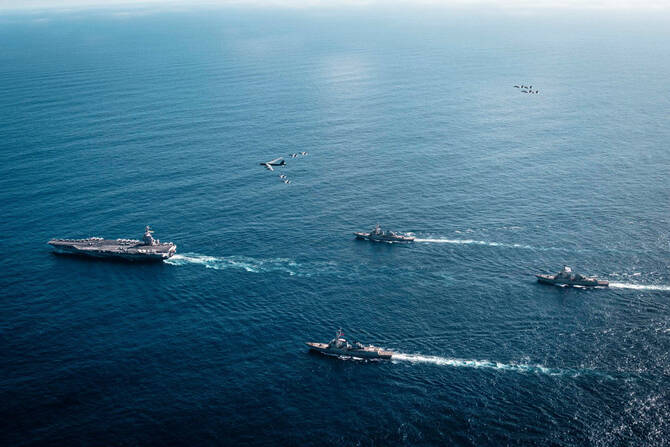
Tensions escalated after U.S. President Donald Trump announced a naval blockade targeting Iranian-linked shipping following the collapse of nuclear negotiations. The move is intended to pressure Tehran over its nuclear program but has heightened concerns of retaliation and a broader regional conflict.
The impact has already rippled through global energy markets, with oil prices climbing sharply amid fears of supply disruptions. Analysts warn that a prolonged crisis could drive inflation higher, increase transportation costs, and slow economic growth across multiple regions.
China, the largest importer of Iranian oil, now finds itself at the center of the situation. Washington has urged Beijing to use its influence to prevent Iran from closing the strait, while also promoting U.S. energy exports as an alternative. However, China has responded by diversifying its oil sources, increasing imports from countries such as Russia and Brazil.
The unfolding crisis underscores the fragile balance of global energy dependence, with Asia likely to face the most severe consequences if the Strait of Hormuz is disrupted.