
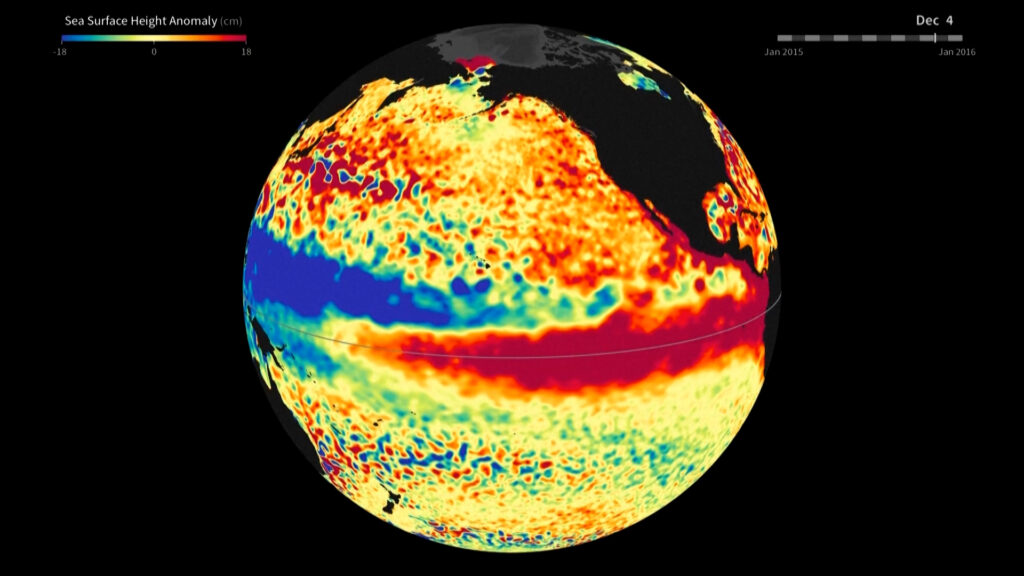
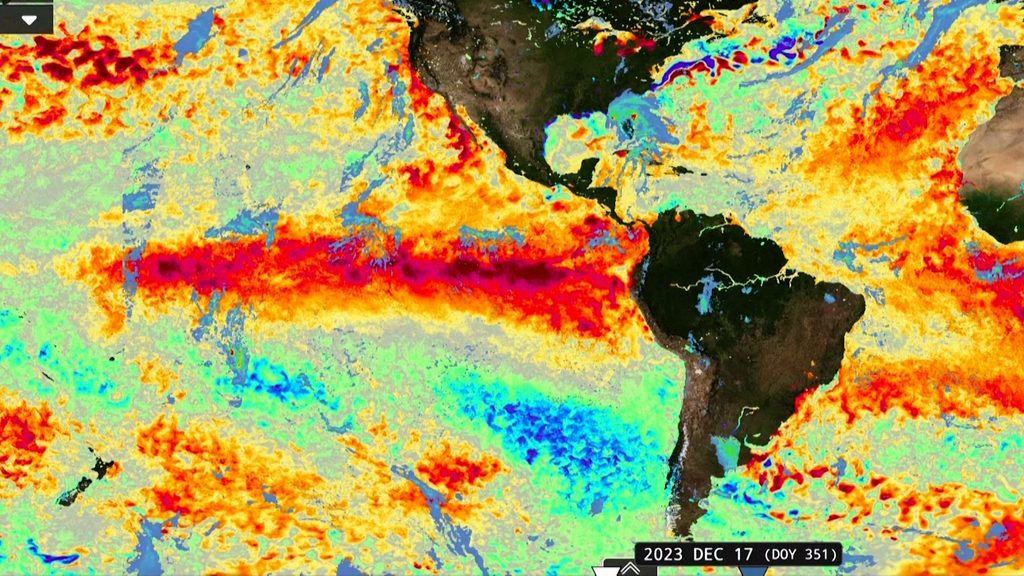
A powerful El Niño could contribute to as many as 451,000 additional heat-related deaths worldwide by February 2027, according to new projections from the University of Chicago’s Climate Impact Lab.
The estimate covers the first nine months of the current El Niño — from June 2026 through February 2027 — compared with the number of heat deaths expected in a normal year.
Researchers warn that the burden will fall disproportionately on some of the world’s poorest and least climate-resilient regions.
The report projects that global land temperatures will remain significantly above normal and that the number of extremely hot days will rise by around 44%.
Among the countries facing the highest projected toll is Nigeria, with approximately 31,400 additional heat-related deaths over the coming six months.
Across Africa’s Sahel region — including Nigeria, Sudan, Niger and Chad — researchers project around 66,800 additional deaths.
Sudan alone could see around 17,500.
Niger is projected to experience around 10,000.
And Chad around 8,000.
Southeast Asia is also expected to face serious consequences.
Indonesia is projected to see approximately 19,300 additional heat deaths.
The Philippines, Vietnam, Thailand and Cambodia together could experience another 19,400.
India is projected to see around 15,800 additional deaths, while Brazil could record approximately 13,300.
Researchers caution that the final toll could rise even further if El Niño persists deeper into 2027.
That would leave countries including India and Pakistan especially vulnerable when Northern Hemisphere summer temperatures return.
The Climate Impact Lab describes the current event as a “postcard from our future.”
The temperatures being experienced during this El Niño resemble conditions researchers expect climate change to make increasingly normal roughly two decades from now.
But the report is not presented simply as a warning.
Researchers say immediate action could still save tens of thousands of lives.
Among the measures supported by evidence are:
Early heat-warning systems.
Cooling centers.
Additional staffing at hospitals during extreme heat.
Protections for outdoor workers.
And wider access to cooling technologies.
Michael Greenstone, co-founder of the Climate Impact Lab, said the projections allow governments and humanitarian organizations to identify exactly where emergency action could have the greatest impact.
The researchers also stress that these numbers are projections, not a death toll that has already happened.
As El Niño develops, the estimates will continue to be updated.
Behind every statistic is a human life — families, children, elderly people, workers and communities often living in places with the fewest resources to protect themselves from extreme heat.
The warning is therefore clear:
The heat is coming.
But preparation now could still save many lives.


Leave a Reply