

US Secretary of State Marco Rubio’s Stark Warning to Europe at Munich Security Conference
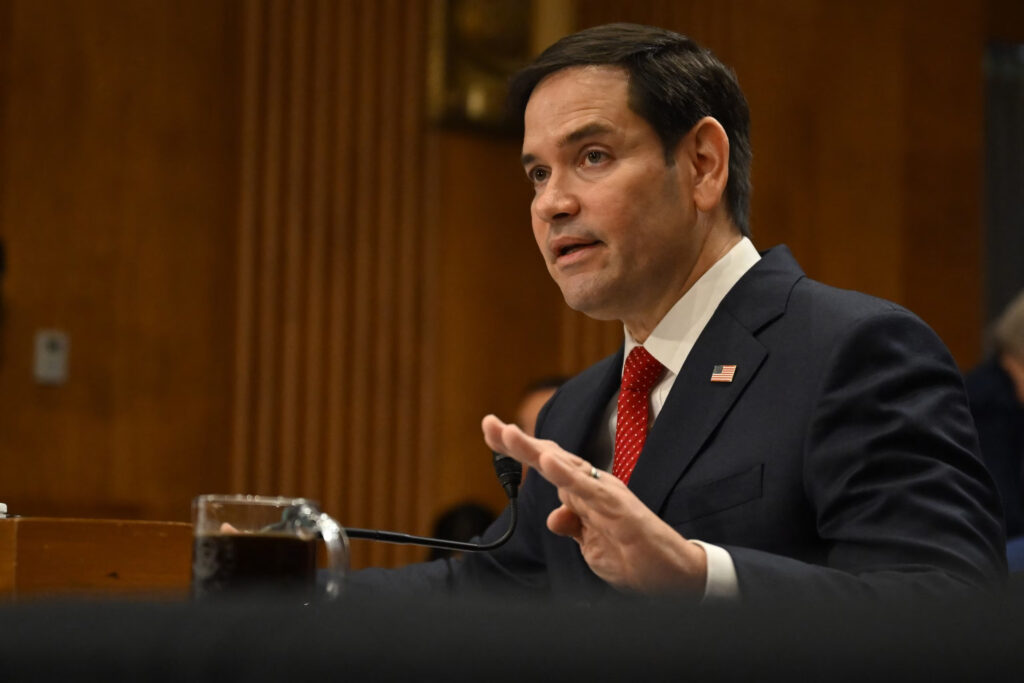
At the Munich Security Conference, US Secretary of State Marco Rubio delivered a blunt message to European allies: Change or risk being “dumped.” The Secretary emphasized that the future of US-Europe relations is contingent on Europe embracing US values, particularly in defense, culture, and immigration. His remarks, wrapped in the familiar rhetoric of American exceptionalism, left a striking impression on the European audience.
The Rebuilding of Europe – But Only on American Terms
While Rubio’s speech was delivered with the veneer of diplomacy, the underlying message was clear: Europe must change its value system to align with that of the United States. He focused on shared cultural heritage, including a strong emphasis on Christianity, border control, and scaling back climate policies. He stated that America is ready to rebuild transatlantic relations but only if Europe adopts significant reforms.
Rubio’s comments were framed against a backdrop of rising populism in Europe, echoed by the far-right rhetoric championed by figures like JD Vance in past years. Unlike his predecessors, Rubio directly challenged Europe’s stance on issues such as defense spending, asserting that it was no longer enough to merely present defense budgets; Europe needed to reshape its approach fundamentally.
The Ukraine Crisis – A Highlight Amidst Tensions
While Rubio’s speech was a wake-up call to European policymakers, it also coincided with a powerful appeal from Ukrainian President Volodymyr Zelensky, who spoke at the conference the following day. Zelensky reminded the room of Ukraine’s ongoing struggle against Russian aggression, offering a stark contrast to the more abstract policy discussions taking place.
Zelensky’s plea for Europe to have its own independent defense strategy underscored the urgency of the situation. His remarks highlighted the grave human cost of the war, with every Russian advance costing Ukraine 156 lives. The contrast between his impassioned appeal and Rubio’s broader calls for European reform highlighted the deepening divide between American priorities and European realities.
Internal European Struggles and Global Implications
Rubio’s message to Europe was delivered at a time of political instability within the European Union, with leaders like French President Emmanuel Macron and German Chancellor Friedrich Merz facing their own internal challenges. The stark political landscape raised the question: Can Europe reform in time to meet US expectations?
Rubio’s speech also hinted at the growing US frustration with Europe’s defense shortcomings, which have long been a source of tension within the transatlantic alliance. The US has consistently pushed Europe to increase its defense spending and contribute more to global security efforts. However, despite some promises, significant changes remain elusive.
Looking Ahead – Will Europe Shape Up?
The European leaders’ positive reception of Rubio’s speech may reflect the dire need for the US and Europe to mend their fractured relationship. However, with growing political turmoil in both regions, it remains uncertain whether the necessary changes will materialize.
As the 2026 elections loom in the US and Europe, the question arises: Will Ukraine’s pleas for support continue to get overshadowed by transatlantic squabbles?