

By Shekinah Global News | February 15, 2026
Iran is open to making compromises in the ongoing nuclear negotiations with the United States, provided Washington demonstrates willingness to discuss sanctions relief, according to Majid Takht-Ravanchi, Iran’s deputy foreign minister, in an interview with the BBC from Tehran.
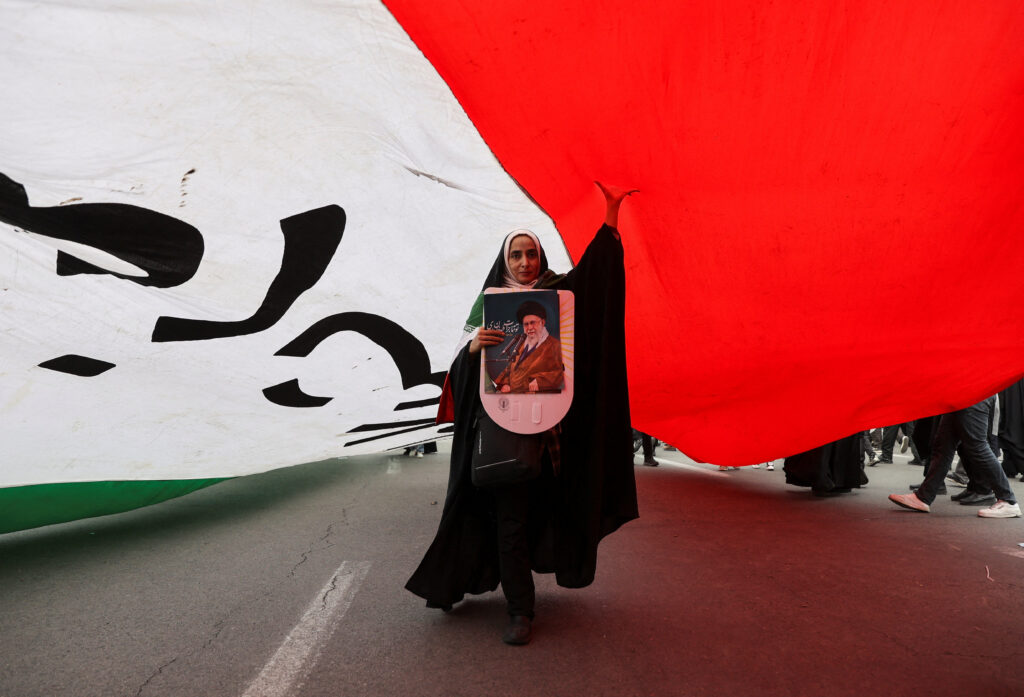
Iran Places the Ball in America’s Court
Takht-Ravanchi stressed that progress hinges on U.S. sincerity:
“If they are sincere, I’m sure we will be on the road to an agreement.”
While U.S. Secretary of State Marco Rubio maintains that President Donald Trump prefers a deal, he has acknowledged that achieving one with Iran is “very hard.” Trump has threatened military action if diplomacy fails, amid a massive U.S. military buildup in the region.
Key Areas of Compromise
- Uranium Enrichment: Iran has offered to dilute its 60%-enriched uranium, a near-weapons-grade level, signaling readiness to negotiate on its nuclear program.
- Focus on Nuclear File: Tehran insists that the talks should concentrate solely on nuclear issues, excluding ballistic missiles, which remain a red line for Iran. Takht-Ravanchi noted that “the issue of zero enrichment is not on the table anymore,” marking a potential shift in stance.
- Sanctions Relief: Iran emphasizes that discussion of nuclear compromises is conditional on meaningful U.S. engagement regarding sanctions.
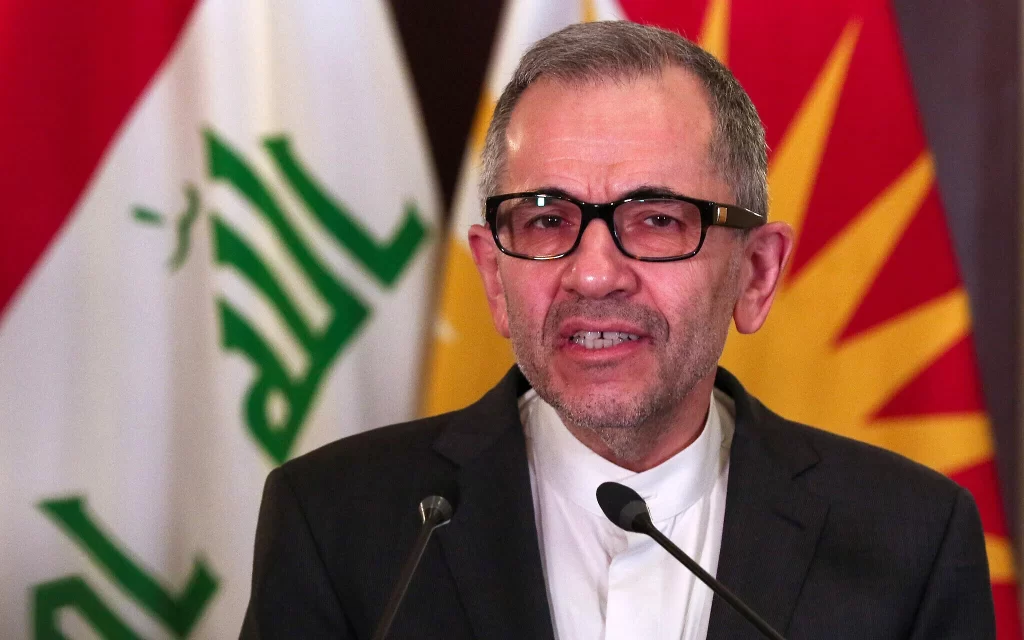
Concerns Over Military Escalation
Takht-Ravanchi also warned against further military escalation:
“If we feel this is an existential threat, we will respond accordingly… the whole region will be in a mess.”
Iran has repeatedly stated that U.S. military bases in the Middle East would be considered legitimate targets in the event of an attack. The recent deployment of over 40,000 U.S. troops and the presence of two aircraft carriers in the region have intensified concerns over a potential conflict.
Regional Dynamics
Iran highlighted regional support for diplomacy, citing near-unanimous opposition to war among Middle Eastern states. Officials have been in intensive contact with regional powers and intermediaries, including Oman, which has been mediating indirect talks between Tehran and Washington.
Outlook
While skepticism remains about the prospects of a new deal, Takht-Ravanchi expressed cautious optimism:
“We will do our best, but the other side also has to prove that they are also sincere.”
The next round of indirect talks is scheduled to take place in Geneva on February 17, 2026, continuing efforts to reach a durable nuclear agreement while averting further military escalation in the region.