

Geneva — Iran says it has made “good progress” in indirect nuclear talks with the United States, even as Supreme Leader Ayatollah Ali Khamenei warned former U.S. President Donald Trump against escalating military pressure.
Foreign Minister Abbas Araghchi told state media that both sides agreed on “guiding principles” during the Geneva meetings, but stressed that an actual agreement remains distant.
“The path toward an agreement has started but will not be reached quickly,” Araghchi said after hours of indirect negotiations.
The talks come amid a massive U.S. military buildup, part of Trump’s push for a tougher, rewritten nuclear agreement.
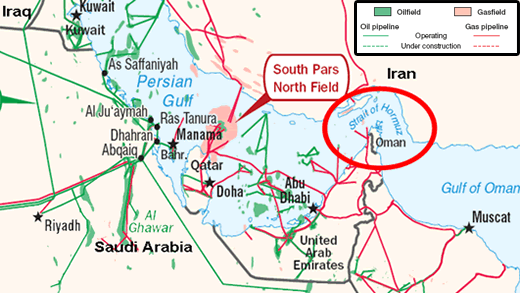
⚠️ Strait of Hormuz Partially Closed for IRGC Drills
Iranian state media announced that portions of the strategic Strait of Hormuz were temporarily shut due to Revolutionary Guard exercises.
Tehran has repeatedly warned it may close the waterway if attacked — a move that would disrupt 20% of the world’s oil supply.
U.S. Reaction & Military Pressure
Washington did not immediately comment on progress in the talks. However, Trump said he believes Iran “wants a deal”, warning of the consequences if one is not reached.
Trump also referenced U.S. and Israeli strikes last June targeting Iranian nuclear sites — operations that added further strain to the diplomatic landscape.
U.S. officials told Reuters that the military is preparing for the possibility of weeks-long operations if ordered.
🛑 Khamenei: “America Cannot Force Us Out”
Just as negotiations began, Khamenei delivered a stern message:
“The strongest army in the world can sometimes be slapped so hard it cannot get up.”
He reiterated that Iran’s missile program is non-negotiable, and that any deal must focus solely on the nuclear program in exchange for sanctions relief.
🔎 Key Points From the Talks
• Draft texts on nuclear limits and sanctions relief will now be worked on separately
• Tehran says trust with Washington is “zero” after years of conflict
• Iran insists enrichment will not be fully halted
• The U.S. wants missile limits added — Iran refuses
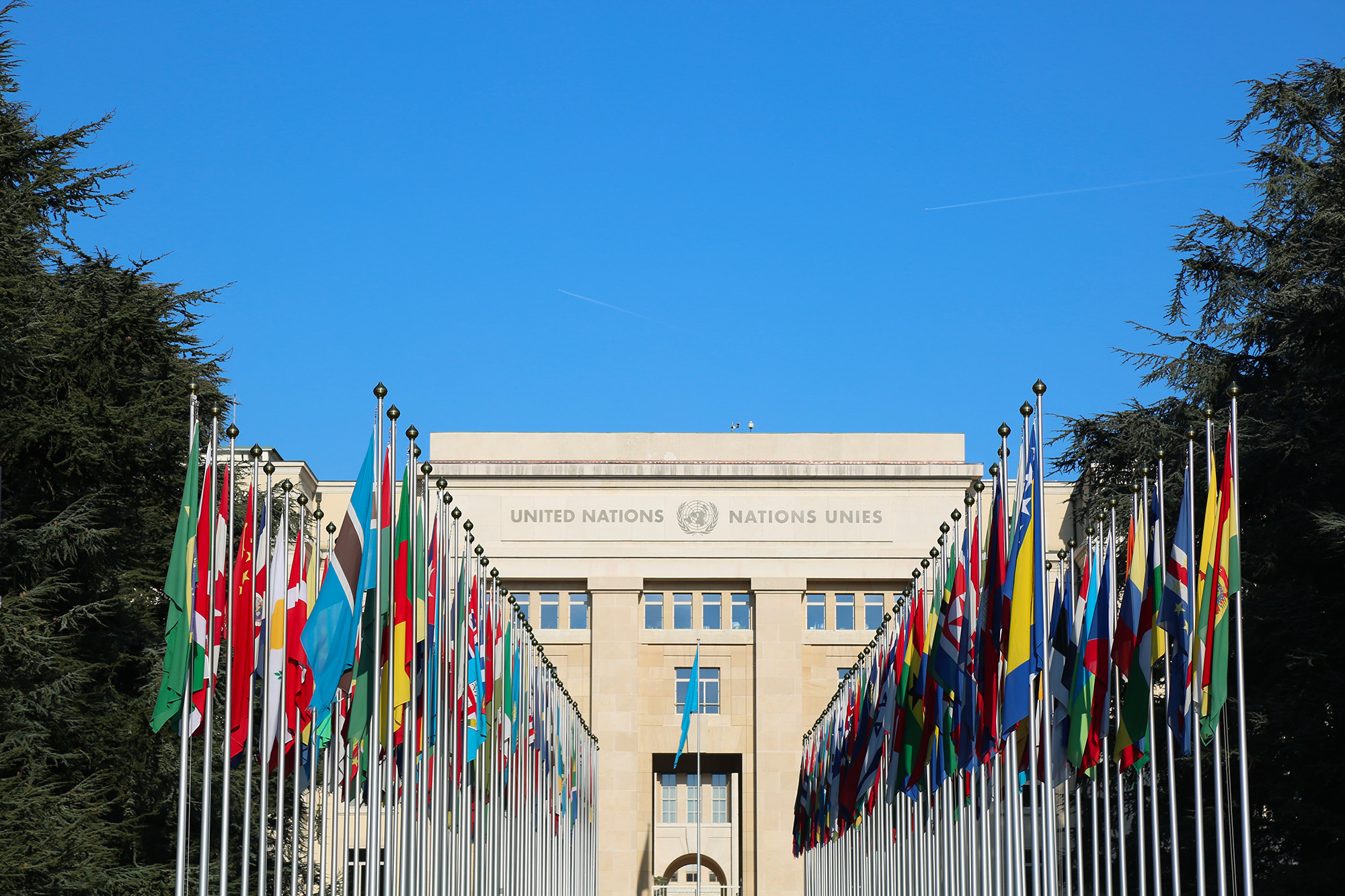
• Talks are mediated by Oman, hosted at the ambassador’s residence in Geneva

Internal Pressure Inside Iran
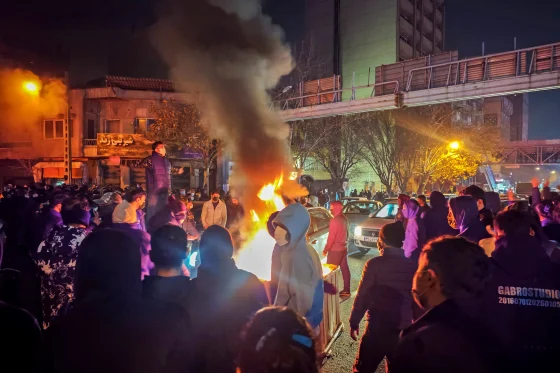
Iran’s leadership is weakened after months of protests over the economic crisis, worsened by sanctions choking the country’s oil revenue.
Thousands have been killed in crackdowns since last year’s unrest.
🔬 Nuclear Program Status
Iran remains a signatory to the Nuclear Non-Proliferation Treaty (NPT), which allows civilian nuclear activity under IAEA supervision.
However, Iran has enriched uranium close to weapons-grade levels, raising alarm in Washington and Israel.
Israel, which is not a signatory to the NPT, maintains a policy of nuclear ambiguity.
📝 SG News Summary
Iran and the U.S. have taken a small but notable step toward reviving nuclear diplomacy.
But with military drills, threats over the Strait of Hormuz, and Trump’s intensified pressure, the road to any agreement remains steep — and potentially explosive.