

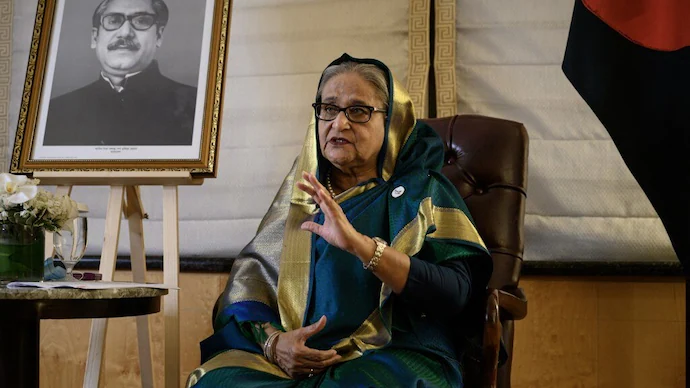
In a controversial verdict on Monday, Bangladesh’s International Crimes Tribunal (ICT) sentenced former Prime Minister Sheikh Hasina to death in absentia for alleged crimes against humanity during the violent suppression of the July-August 2024 student-led protests that toppled her government. The court convicted Hasina, ex-Home Minister Asaduzzaman Khan Kamal, and former police chief Chowdhury Abdullah Al-Mamun, accusing them of ordering lethal force—including gunfire and helicopter deployments—that reportedly killed over 1,000 civilians.
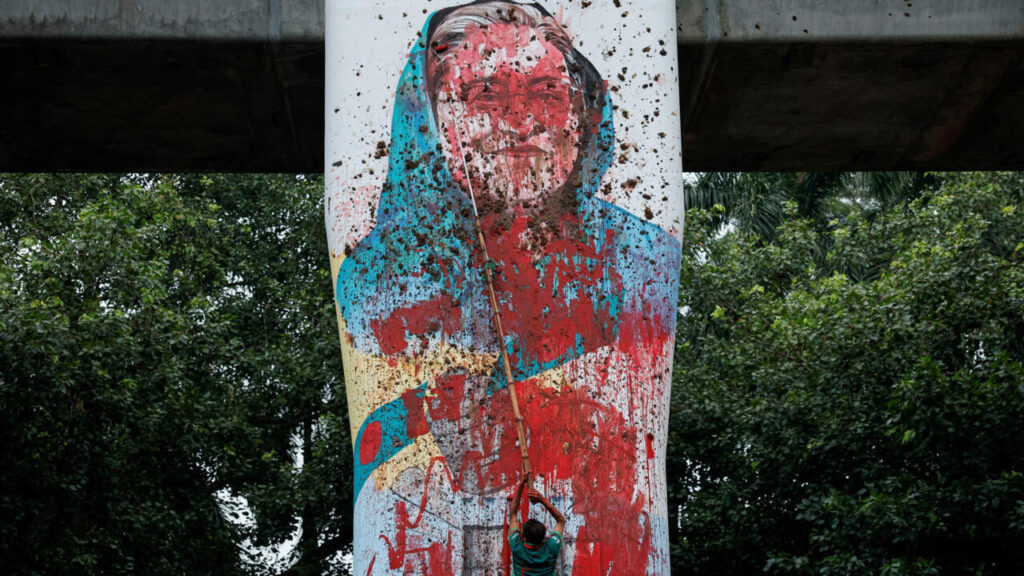
Hasina, currently in exile in India, dismissed the ICT as a politically motivated “kangaroo court” controlled by the interim government led by Muhammad Yunus and influenced by her rivals, including the BNP and Islamist factions. Her supporters denounced the trial as victor’s justice and staged angry protests in Dhaka.
Critics of the verdict argue the domestic tribunal lacks impartiality and international legitimacy, while the cases remain unaddressed by the International Criminal Court. The ruling has deepened Bangladesh’s political divide amid ongoing instability.