

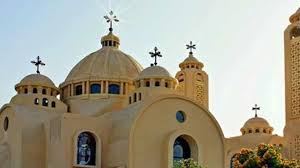
Egypt has approved licenses for an additional 160 churches and church-affiliated buildings, marking the 29th round of approvals since the government committee overseeing the process began its work in 2017.
Nearly a year has passed since the committee’s previous round of decisions, when 293 churches were granted licenses.
Several representatives of the Egyptian government were in attendance, including Prime Minister Madbouly, who chaired the meeting.
Since the 2016 passage of the Law for Building and Restoring Churches, which removed Ottoman-era restrictions on church construction, the committee has approved licenses for 3,613 of the 3,730 churches that applied for registration.
Cabinet Spokesperson Mohamed El-Homsani stated that the committee approved the legal status of these establishments after examining the most recent assessment reports on the churches and buildings that had applied for recognition.
This legalization process is part of the government’s broader national initiative to formalize Christian places of worship.
To obtain a license, churches must prove ownership of the land and meet structural and safety requirements, including having fire extinguishers on site.
Previously, it was extremely difficult for churches to obtain a license before the committee took on the task of processing applications. As a result, many congregations had no choice but to worship illegally in unregistered buildings.
In certain areas, congregations face the risk of having their churches sealed or demolished by local authorities on the grounds of lacking permits, even if they have already submitted applications.
In 2018, the Egyptian government permitted Christians to worship in unlicensed buildings while the registration process was underway.
The 2016 law, passed by Parliament in implementation of Article 235 of the Constitution, marked a turning point for the faithful.The law shifted the authority for approving church construction from the presidency to provincial governors, mandated that decisions be made within four months, and established a dedicated committee led by the prime minister to oversee the legalisation of existing unlicensed churches.
Under this new legislation, the size and capacity of newly built churches must correspond to the needs of local Christian communities, and all legalized buildings are required to meet civil protection and safety standards.