
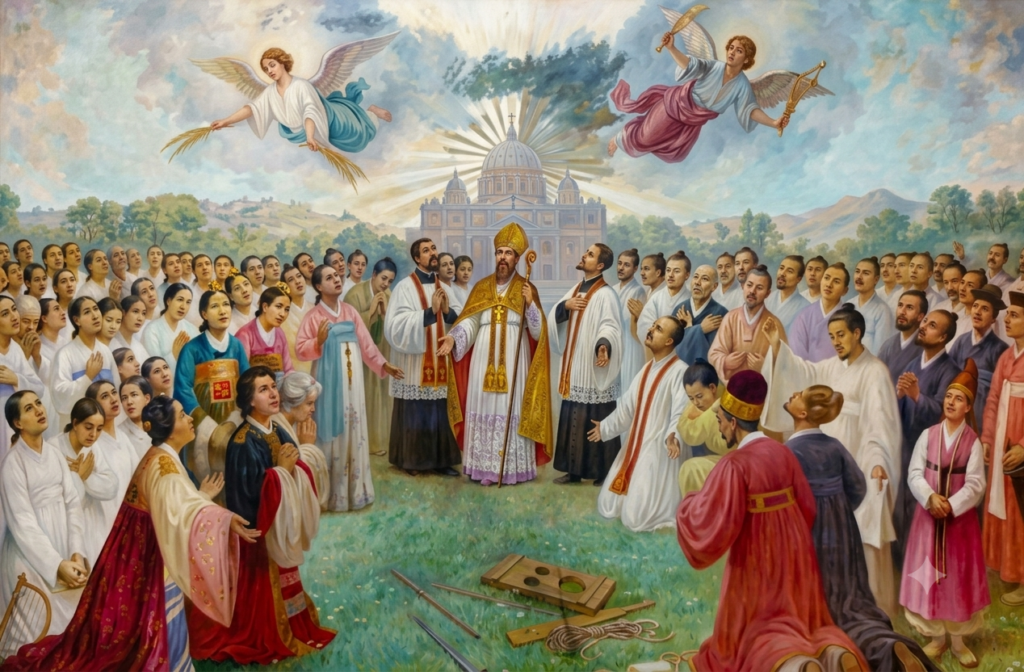
The Catholic Church remembers Saint Andrew Kim Taegon, Saint Paul Chong Hasang and their companion martyrs on September 20 — witnesses to a remarkable chapter in the history of evangelization. Korea’s Catholic community began in an extraordinary way: laypeople encountered Christian writings brought from China, studied the faith and began practicing it before priests were available to them. In 1784, Yi Seung-hun, Korea’s first baptized Catholic and one of the founders of its early Catholic community, returned from Beijing after receiving baptism, helping the young community grow and seek contact with the wider Church.
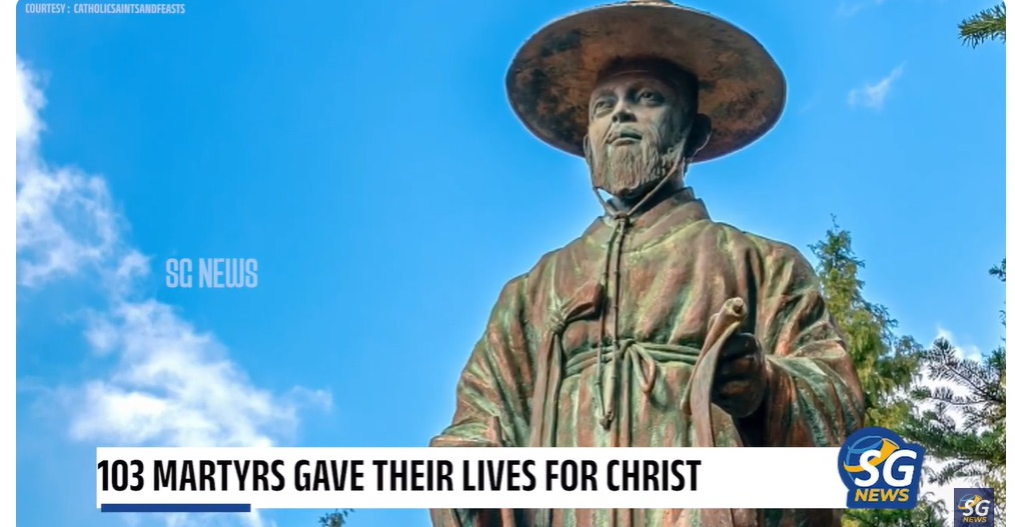
As Catholics came to understand the importance of the sacraments and priestly ministry, they appealed for priests to be sent to Korea. But their growing faith soon faced fierce persecution under the Joseon dynasty, particularly because Catholic beliefs challenged certain Confucian practices surrounding ancestral rites. Bishops, missionaries, catechists, families and countless laypeople suffered and died, yet the faith survived.
ANDREW KIM TAEGON BECAME KOREA’S FIRST PRIEST
Among those witnesses was Andrew Kim Taegon, born into a Christian family and ordained in 1845 as the first Korean Catholic priest. His ministry lasted only briefly before his arrest and execution in 1846, when he was just 25. Paul Chong Hasang, a layman and son of a martyr, spent years working to bring priests into Korea and strengthen the Church. He too was eventually executed.
In 1984, Saint John Paul II canonized 103 Korean martyrs in Seoul. Their story reveals something extraordinary: before missionaries could fully establish the Church, Koreans themselves had already discovered Christ, shared the Gospel and built a community willing to suffer rather than abandon their faith.
Leave a Reply