
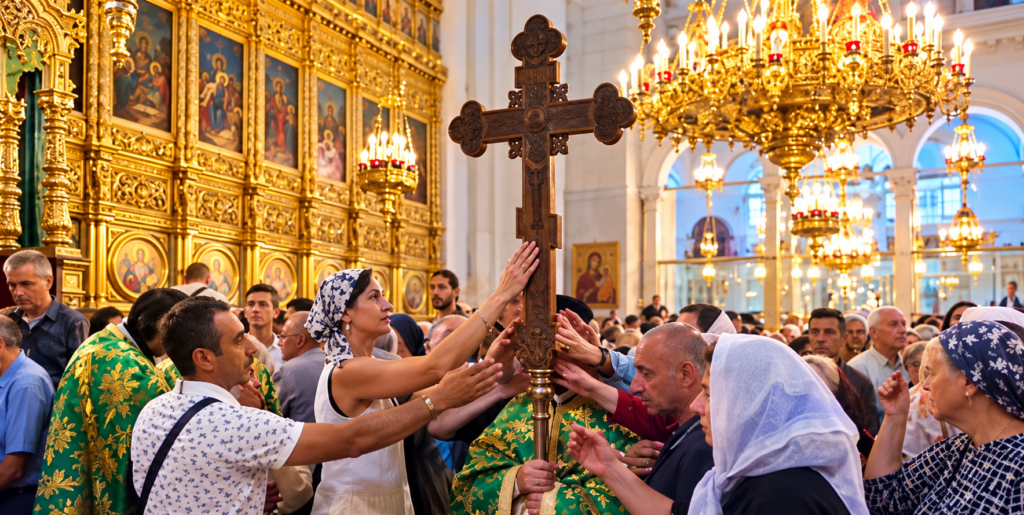
Catholics around the world mark the Feast of the Exaltation of the Holy Cross on Sept. 14, honouring the instrument on which Jesus died and celebrating it as an emblem of salvation rather than defeat. Through Mass, Scripture and veneration, the Church recalls how a Roman instrument of execution became Christianity’s central expression of God’s love and Christ’s triumph over sin and death.
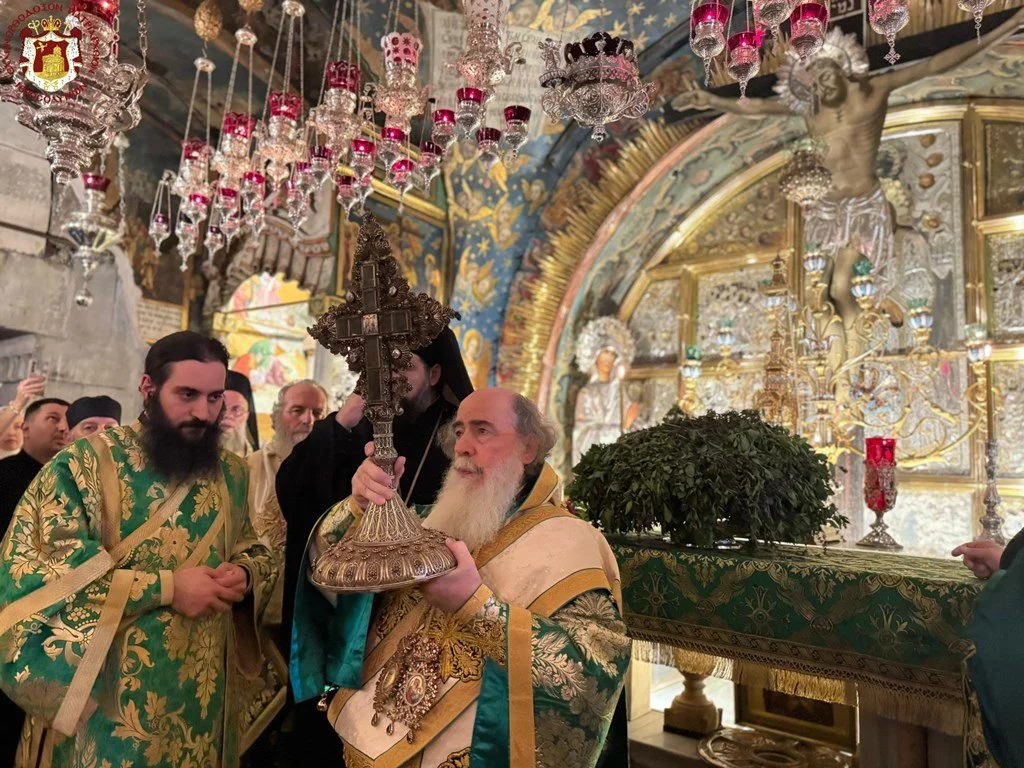
The observance traces its history to events in the Holy City. The Church of the Holy Sepulchre, built over the traditional sites of Calvary and Christ’s tomb, was dedicated Sept. 13, 335. The following day, the sacred wood traditionally associated with St. Helena’s discovery was solemnly presented for veneration. In 614, Persian forces under King Chosroes II captured the city and carried the relic away. Byzantine Emperor Heraclius later recovered it following his military successes and restored it to the Holy Sepulchre.
SYMBOL OF CRUEL PUNISHMENT BECOMES SIGN OF LOVE
The celebration, however, goes far beyond remembering an ancient relic. For the faithful, Christ’s sacrifice stands at the heart of the Gospel: Jesus willingly accepted pain and death out of love for humanity. Pope Francis has said that believers exalt the sacred wood because it reveals the depth of God’s love. What appeared to be humiliation and failure became, through the Resurrection, a message of triumph, mercy and hope.
The faithful therefore observe the commemoration as a reminder that suffering and death do not have the final word. Through Christ’s sacrifice, the Cross becomes a source of forgiveness, redemption and the promise of new life. It also reminds believers that God can bring good even from painful circumstances and that no hardship offered in faith is meaningless.
CHRISTIANS CALLED TO EMBRACE THE CROSS
The observance also carries a personal challenge. Jesus’ command to take up one’s cross invites believers to face hardship, sacrifice and trials with faith rather than despair. They are encouraged to unite their struggles with Christ, responding with love, patience, forgiveness and perseverance.
Ultimately, the celebration honours not the cruelty of crucifixion, but the divine love revealed through it — a love that transformed an instrument of shame into an enduring emblem of Christian hope and salvation.



Leave a Reply