
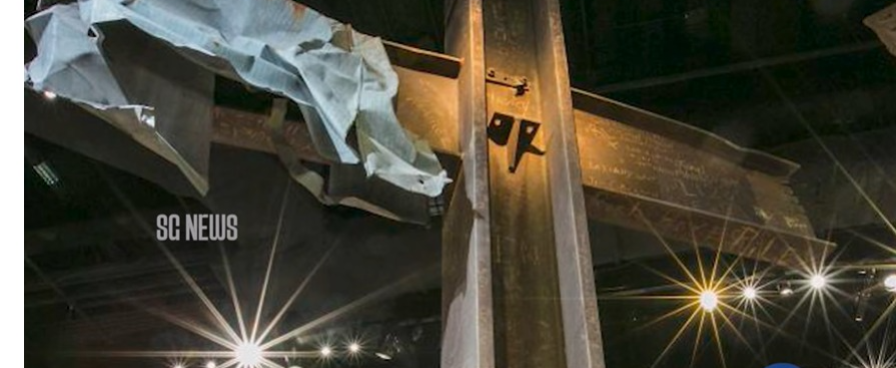
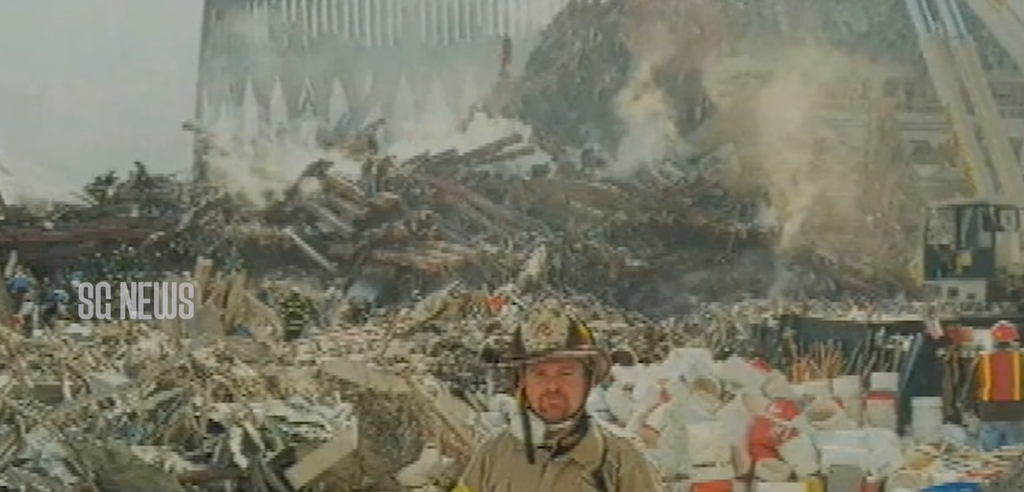
September 11, 2001. It was a morning that changed the world. Hijacked aircraft became weapons. The Twin Towers burned. The Pentagon was struck. Nearly 3,000 lives were lost. Amid the smoke, fear and unimaginable confusion, thousands were desperately trying to escape. Firefighters ran in. Police officers ran in. Rescue workers ran in. And alongside them were priests — carrying no rescue equipment, no weapons and no protection from what lay ahead. They carried only their faith, their prayers and a determination that, in humanity’s darkest hour, no one should suffer alone. Among them was Franciscan Father Mychal Judge, chaplain of the New York City Fire Department. When the World Trade Center was attacked, Father Judge responded with the firefighters he had spent years serving. While others fled from the burning towers, the 68-year-old priest went toward them. Inside the North Tower, amid chaos and devastation, he prayed and ministered alongside the rescuers. And there, Father Judge made the ultimate sacrifice. He was killed as the South Tower collapsed. The beloved chaplain would become the first officially recorded victim of the September 11 attacks — Victim 0001. The image of firefighters carrying his body from the ruins would become one of the unforgettable images of 9/11. But Father Judge’s death was not the end of the priests’ ministry at Ground Zero. It was, in many ways, only the beginning. In the days after the attacks, another Franciscan, Father Brian Jordan, began ministering among those searching through the ruins. Then, amid twisted steel and mountains of debris, workers discovered something extraordinary. Two intersecting steel beams, standing in the shape of a cross. The 17-foot structure became known as the Ground Zero Cross. For exhausted rescue workers and grieving families, it became a place to stop, pray and remember. Father Brian Jordan blessed that cross. And around it, a community wounded by tragedy began to pray again. Months later, on Christmas Eve, nearly 200 people — recovery workers, first responders and relatives of victims — gathered there. Amid the ruins of the World Trade Center, Father Jordan celebrated Midnight Mass. The surroundings were still scarred by destruction. Families were still grieving. Recovery workers were still searching. Yet beneath that steel cross, Christmas was celebrated. The message was unmistakable: destruction had not been given the final word.
Another Franciscan priest, Father Joseph Bayne, also arrived at Ground Zero as an emergency-services chaplain. He prayed with police officers and firefighters. He comforted rescue workers. He even blessed the exhausted search-and-rescue dogs as they returned from working on the pile. Later, people asked Father Bayne whether he had encountered the face of evil at Ground Zero. His answer was remarkable. He said that what he saw instead was the face of God — in people working, caring, sweating, crying, rescuing and recovering. Amid one of America’s darkest moments, this priest discovered something extraordinary: evil had caused the destruction… but goodness was answering it. And hundreds of kilometres away, at the Pentagon, another Catholic story was beginning. Father Daniel Mode was a Navy Reserve lieutenant and Catholic priest who frequently attended meetings in the very area of the Pentagon that was struck by American Airlines Flight 77. But on September 11, he was not there. He was at his parish in Virginia. As news of the attack spread, Father Mode remained with frightened children whose parents worked at the Pentagon, waiting for their mothers and fathers to come and collect them. He celebrated an impromptu Mass. Then came a telephone call. Officials were trying to account for those who could have been in the part of the Pentagon that had been destroyed. Suddenly, the tragedy became intensely personal. Twenty-five years have now passed. The Pentagon has been rebuilt. But something remarkable now stands at the very location where the aircraft struck. A chapel. The Pentagon Memorial Chapel opened on the first anniversary of the attacks. And today, Catholic faith is very much alive there. Weekday Mass is celebrated. Confessions are heard. And the Eucharist is reserved in the tabernacle. A place once filled with fire, destruction and death is now also a place where people kneel in prayer. There is even a small trace of black soot still visible near the chapel — a silent reminder of what happened there.
But beside the memory of destruction is something stronger. Prayer. The Eucharist. Faith. Hope. Twenty-five years after September 11, perhaps this is one of the most powerful Catholic stories to emerge from that terrible day. Father Mychal Judge walked into danger and gave his life. Father Brian Jordan stood among the ruins and raised people’s eyes toward the Cross. Father Joseph Bayne looked into the devastation and still recognized the face of God in human goodness. And at the Pentagon, where terror once tore through the building, people now kneel before the Eucharistic Lord. 9/11 showed the world how much destruction hatred can cause. But these priests showed something else: how courage responds to fear… how compassion responds to suffering… and how faith responds when everything around us seems to collapse. The towers fell. Buildings burned. Thousands of lives were taken. But amid the ashes, priests prayed. Rescuers served. Strangers embraced. A cross stood among the ruins. And twenty-five years later, a sanctuary stands where an aircraft once brought destruction.
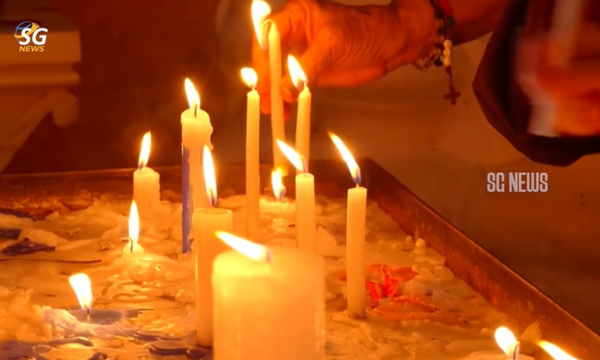
Perhaps that is the enduring message of these remarkable stories: evil can destroy buildings — but it cannot command the human heart. Hatred can create darkness — but it cannot prevent someone from carrying a light into it. And even amid the darkest ruins… faith can still find a place to kneel.
Leave a Reply