

A series of coordinated attacks struck Christian communities across Nigeria from March 29 to April 5, 2026, leaving dozens dead, many abducted, and several villages destroyed. According to reports cited by Truth Nigeria, the violence spanned Kaduna, Borno, Nasarawa, and Benue states during Holy Week, targeting worshippers and rural settlements with minimal security response.
The earliest escalation occurred in Aribi Ward, southern Kaduna, where armed militants killed 13 residents and abducted 28 others during a late-night raid on March 29. They had earlier kidnapped 32 others in February, bringing the total to 60 abductees over eight weeks. Community leaders, including Dr Bitrus Pogu, criticised authorities for failing to act on prior warnings.
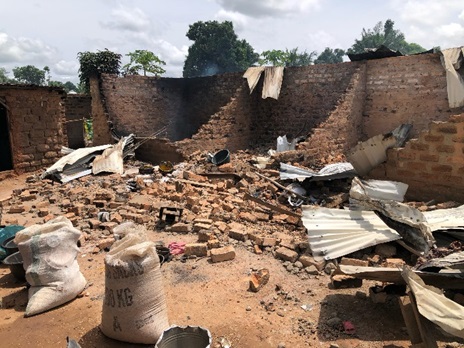
On March 30, ISWAP militants carried out an overnight assault in Kautikari near Chibok, Borno State. Militants killed 12 Christians despite resistance from local hunters and volunteers. Among them was Yohanna Peter, who was due to marry the next day. Dr Pogu stated that Peter had joined local defenders as militants advanced and died in the confrontation. The attack exposed a lack of military preparedness.
Meanwhile, armed attackers carried out coordinated arson attacks between April 2 and 3 in Nasarawa State, burning multiple villages and displacing residents. By April 4, armed assailants attacked Mbalom in Benue State, leaving between 9 and 17 people dead, according to conflicting reports. Governor Hyacinth Alia condemned the killings as “heinous.”
The violence culminated on April 5 in Ariko, Kaduna State, as attackers targeted worshippers during Easter services. Militants killed at least 7 people, and the military rescued 31 hostages. Poor telecommunications delayed the emergency response.
Broadly, regional observers described the assaults as part of a broader pattern of insecurity across Nigeria’s Middle Belt, with communities continuing to face displacement and uncertainty.