

On March 2, Catholics in Pakistan marked the martyrdom of Shahbaz Bhatti, who was assassinated in Islamabad in 2011 for defending religious freedom. The first Christian to serve as Pakistan’s federal minister for minority affairs was killed on his way to work after opposing controversial blasphemy laws and supporting vulnerable religious communities. Observers described his death as a major setback for minority rights advocacy in the country.
In 2008, the government appointed Bhatti Minister for Minority Affairs. The portfolio was elevated to cabinet rank for the first time, formally recognising minority representation in the federal government. During his tenure, he launched interfaith harmony initiatives, expanded minority employment quotas and advanced proposals to curb hate speech. Educational reforms, including the introduction of comparative religion studies, were also encouraged.
His vocal support for Asia Bibi drew international attention after a court sentenced her to death on blasphemy charges. Militant groups and hardline activists intensified threats against him, particularly following attacks on Christians in Punjab, according to sources.
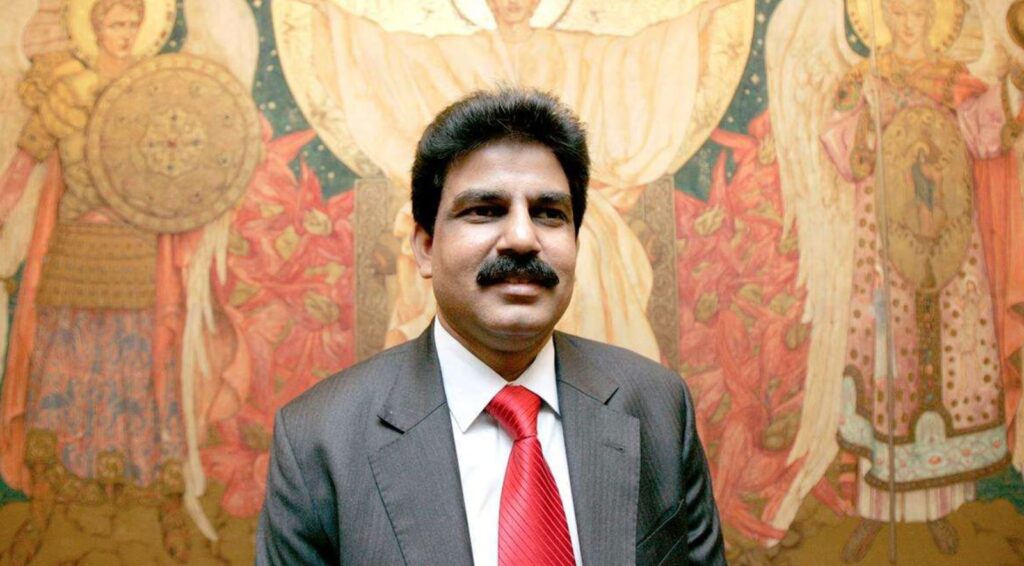
Before his death, Bhatti recorded a message affirming his faith in Jesus Christ and declaring his readiness to sacrifice his life for justice and the oppressed. The Tehrik-i-Taliban Pakistan later claimed responsibility for the killing.
In 2016, the Diocese of Islamabad-Rawalpindi formally opened his cause for beatification, and Pope Francis granted him the title Servant of God, recognising his witness to faith and public service. Church leaders continue to cite his legacy as a symbol of courage and steadfast conviction.