

Geneva — The United States and Iran have begun a third round of indirect negotiations in Switzerland, in what officials describe as the most important diplomatic push yet to prevent a military confrontation.
The discussions — mediated by Badr Albusaidi — come as President Donald Trump warns that the U.S. is prepared to strike Iran if a new nuclear deal cannot be reached.
Oman’s foreign minister said both sides displayed “unprecedented openness to new and creative ideas” during meetings involving U.S. envoys Jared Kushner and Steve Witkoff.
Largest U.S. Military Build-Up in Middle East Since 2003
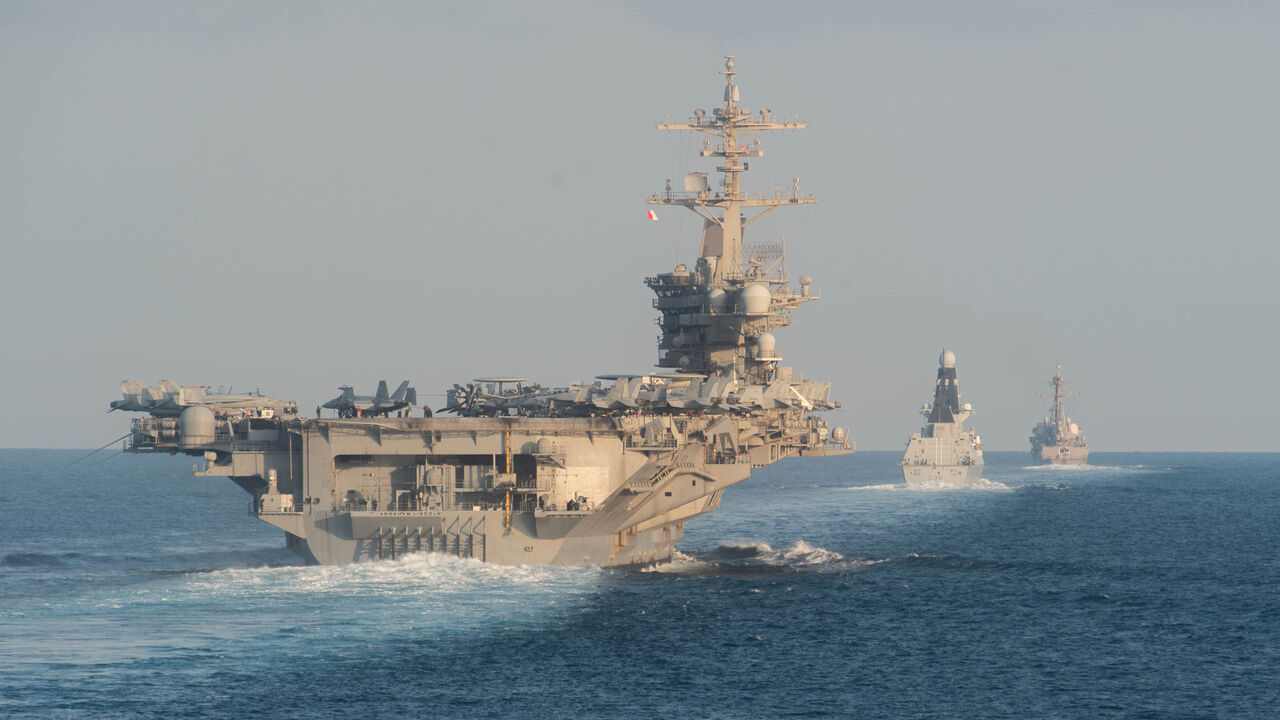
The talks are taking place under the shadow of an escalating U.S. military deployment:
- Thousands of U.S. troops
- Two aircraft carriers, including USS Gerald R. Ford
- Additional warships, fighter jets, and refueling aircraft
President Trump says a strike on Iran remains an option if Tehran does not make concessions on its nuclear program.
Iran, meanwhile, has vowed a retaliatory attack against U.S. military assets and Israel if it is targeted.
What Each Side Wants
U.S. Position
The administration has not clearly outlined its demands, but statements suggest Trump wants:
- A halt to Iran’s nuclear enrichment
- Long-term restrictions on Iran’s nuclear program
- Assurances Iran will “never have a nuclear weapon”
U.S. officials have also hinted at concerns about Iran’s missile program and regional influence.
Iran’s Position
Tehran refuses to stop uranium enrichment on its territory but signals willingness to consider:
- A regional enrichment consortium
- Limits on parts of its nuclear activity
- Disposal or transfer solutions for its 400kg stockpile of highly enriched uranium
Iran insists it does not seek nuclear weapons, a statement repeated by Foreign Minister Abbas Araghchi.
Unresolved Questions After Last Year’s Strikes
The U.S. and Israel Defense Forces bombed multiple Iranian nuclear sites last year during the Israel–Iran war.
Trump claimed the facilities had been “obliterated,” though Iran has not granted inspectors access to verify the damage.
Growing Tension, Unclear Strategy
In his State of the Union address, President Trump issued stark warnings but offered few details:
- Accused Iran of building missiles capable of hitting the U.S.
- Said Iran is trying to revive its nuclear programme
- Reiterated that Iran is the “world’s number one sponsor of terror”
Meanwhile, media reports suggest the White House is weighing:
- A “limited strike” on Revolutionary Guard targets
- A broader military campaign aimed at toppling Iranian Supreme Leader
Ayatollah Ali Khamenei
The Pentagon is reportedly concerned such strikes could trigger a prolonged regional conflict.
Regional Allies Split
- Saudi Arabia, UAE, and other U.S.-aligned states warn a strike could ignite a wider war
- Benjamin Netanyahu urges no deal unless Iran’s missiles and proxies are included
- Israel sees Iran as its top strategic threat
Congressional Briefings Highlight Stakes
Secretary of State Marco Rubio gave a classified briefing to congressional leaders. Senate minority leader Chuck Schumer said afterward:
“This is serious, and the administration has to make its case to the American people.”
Talks Continue at Omani Residence in Geneva
Negotiations are being held at the Omani ambassador’s residence, with Swiss police securing the area.
Whether the diplomatic momentum can prevent a military confrontation remains uncertain.
But with tensions escalating and armed forces mobilizing, diplomats say the coming days will be pivotal.