

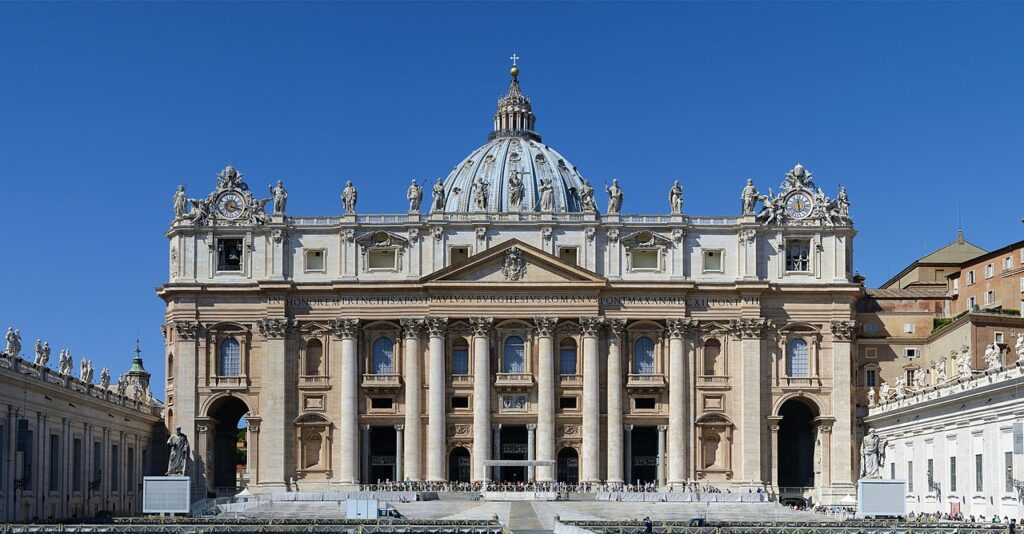
The Vatican has unveiled a year-long series of spiritual, cultural, and technological initiatives to mark the 400th anniversary of the dedication of St. Peter’s Basilica, one of Christianity’s most iconic sites.
The celebration will open on 20 February and conclude on 18 November, with a closing Mass presided over by Pope Leo XIV.
Multilingual AI-Powered Liturgical Platform
Cardinal Mauro Gambetti announced the launch of a new multilingual digital platform that will allow pilgrims to follow major liturgical celebrations in real time, thanks to AI-assisted live translation developed with Translated.
Visitors will be able to scan QR codes inside the Basilica to access:
- Real-time audio translations
- On-screen text translations
- No apps or special devices required
The system uses Lara, Translated’s live interpreting AI.
New Areas of the Basilica Opened to the Public
In a rare move, the Vatican will open previously inaccessible spaces, including:
- The full terrace, with its three panoramic fan-shaped sections
- The Octagonal Halls, featuring historic architectural models
- Antonio da Sangallo’s model of the Basilica
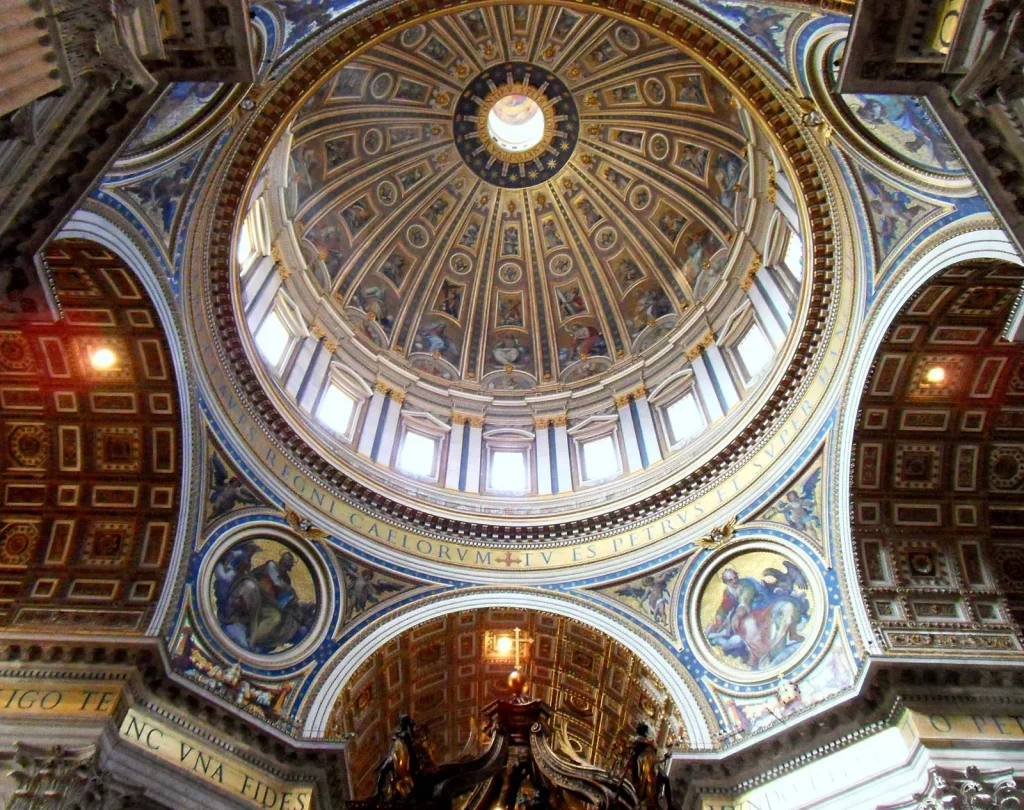
- Michelangelo’s model of the Dome
- Selected works from the Basilica’s museum archive
A new Smart Pass booking system will help manage crowds while preserving the sacred atmosphere.
Expanded Digital Ecosystem for Pilgrims
Pilgrims will also gain access to a renewed digital environment that allows them to:
- Share prayers
- Submit testimonies
- Follow updates on anniversary events
This aims to make the centenary celebration not only historical, but spiritually engaging.
Year of Prayer, Reflection, and Renewal
The anniversary calendar includes:
- Weekly “Spiritual Elevations” with prayer and sacred music
- Pastoral lectures and scripture reflections on Saint Peter
- A special pilgrimage trail retracing the paths of Saints Peter and Paul in Rome
- A theatrical production scheduled near 29 June, the Solemnity of Saints Peter and Paul
Cardinal Gambetti emphasized that the purpose of the anniversary is to “bring back to the heart what gives life and hope.”
‘Beyond the Visible’ Structural Preservation Project
The Vatican is partnering with Eni on a major new monitoring initiative:
- Continuous structural analysis
- Integrated safety systems
- Protection of the Basilica’s stability for future generations
This ensures the centuries-old landmark remains secure without requiring invasive interventions.
New Vatican Font: “Michelangelus”
A new institutional typeface, Michelangelus, inspired by the handwriting of Michelangelo Buonarroti, will become available globally through Microsoft Office.
Developed by Studio Gusto, the font is part of the anniversary’s cultural renewal efforts.
Looking Ahead
Cardinal Gambetti concluded that unlike the era of Pope Julius II—when rebuilding required demolition—today’s technologies allow for renewal without destruction.
The 400th anniversary initiatives aim to ensure St. Peter’s Basilica continues to inspire and welcome pilgrims “for centuries to come.”
The Vatican has announced a sweeping programme of spiritual, cultural and technological initiatives to mark the 400th anniversary of the dedication of St. Peter’s Basilica, one of the most iconic churches in the world.
The year-long celebration will begin on February 20 with the inauguration of a new Via Crucis and conclude on November 18 with a solemn Mass presided over by Pope Leo XIV.
Presenting the programme at the Holy See Press Office on Monday, Cardinal Mauro Gambetti, Archpriest of the Basilica and President of the Fabbrica di San Pietro, said the anniversary would blend tradition with innovation to serve pilgrims from around the world.
AI-Powered Multilingual Liturgies
Among the most notable initiatives is a multilingual liturgical platform offering real-time, AI-assisted translations of major celebrations.
Developed in collaboration with the Vatican’s Dicastery for Communication and the language technology company Translated, the service will allow worshippers to follow Mass and other liturgies in their chosen language via smartphone.
Visitors will be able to scan QR codes placed at the Basilica’s entrance and throughout the site to access audio and text translations instantly — without downloading apps or using special devices.
The system is powered by “Lara,” Translated’s artificial intelligence interpreting platform, marking a significant technological step for one of Catholicism’s most historic sites.
Opening Hidden Spaces
For the first time, several previously inaccessible areas of the monumental complex will open to the public.
These include the Basilica’s full terrace — with its three fan-shaped sections — and the Octagonal Halls, which house architectural models by Antonio da Sangallo the Younger and the famed dome model by Michelangelo, along with archival works from the Basilica’s museum collection.
A new real-time booking system, known as “Smart Pass,” will regulate visitor flows to preserve the sacred character of the site while improving access.
An expanded digital platform will also allow pilgrims to share prayers and personal testimonies, reinforcing the Basilica’s global spiritual community.
Prayer, Music and Pilgrimage
Spiritually, the anniversary year will feature weekly “Spiritual Elevations” — moments of prayer accompanied by sacred music — alongside pastoral lectures and scriptural reflections centred on Saint Peter.
A special pilgrimage route retracing the footsteps of Saints Peter and Paul in Rome is planned, as well as a theatrical performance near the Solemnity of Saints Peter and Paul on June 29.
Cardinal Gambetti emphasized that the anniversary is not simply a historical commemoration, but an opportunity for renewal.
“Celebrating the centenary is not merely recalling a date,” he said, “but bringing back to the heart what gives life and hope.”
Safeguarding the Basilica’s Future
The Vatican also announced a joint structural monitoring project titled “Beyond the Visible,” developed with Italian energy company Eni. The initiative aims to ensure the long-term stability of the Basilica through permanent, integrated monitoring technologies.
Additionally, the Vatican unveiled a new institutional typeface called “Michelangelus,” inspired by Michelangelo’s handwriting and developed by Studio Gusto. The font will be made available through Microsoft Office packages, reinforcing the Basilica’s visual identity worldwide.
Reflecting on the Basilica’s history, Cardinal Gambetti noted that while Pope Julius II rebuilt the church in the 16th century to renew it, today renewal can take place without demolition — thanks to advanced technology.
With these initiatives, the Vatican hopes that St. Peter’s Basilica will continue to welcome pilgrims for centuries to come, uniting faith and innovation at the heart of Catholicism.