

Newly released files from the U.S. Department of Justice reveal that former White House strategist Steve Bannon discussed strategies to undermine Pope Francis with convicted sex offender Jeffrey Epstein in 2019.
The messages, part of a large document dump made public last month, show Bannon telling Epstein he hoped to “take down” the pontiff, whom he viewed as a major obstacle to his nationalist-populist movement in Europe.
“Will take down (Pope) Francis,” Bannon wrote in June 2019. “The Clintons, Xi, Francis, EU – come on brother.”
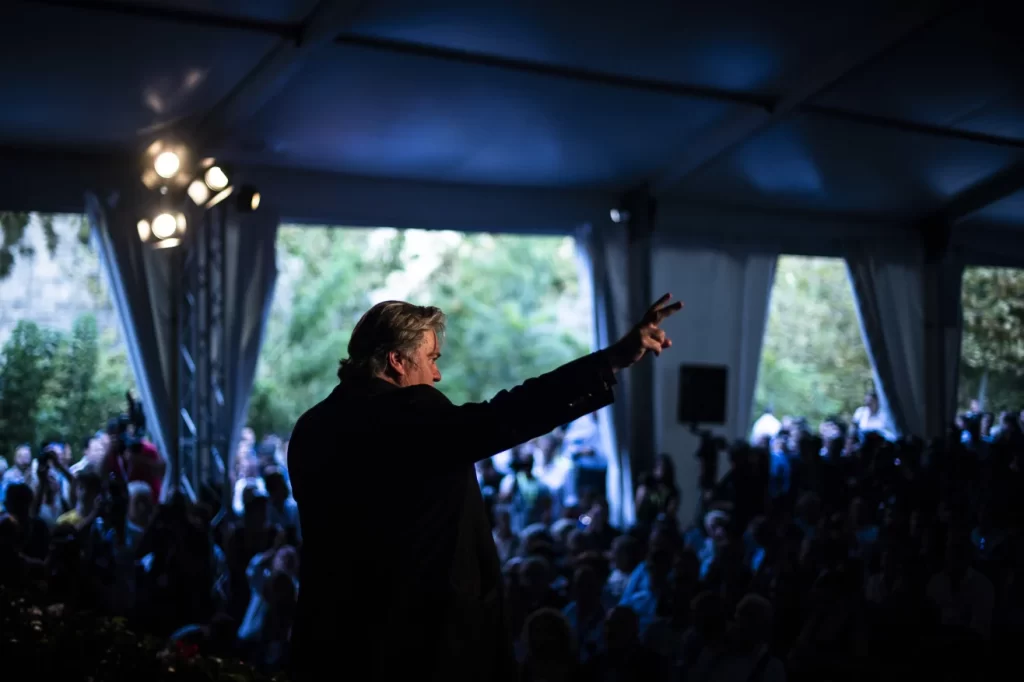
A Clash of Worldviews
Bannon had long criticised Pope Francis, accusing him of siding with “globalist elites” and opposing the “sovereigntist” movement that gained momentum across Europe in 2018 and 2019.
Francis, by contrast, made advocacy for migrants and criticism of nationalism central themes of his pontificate, often positioning himself in opposition to the Trump-era worldview.
According to the DOJ files, Epstein appeared to assist Bannon’s broader political networking efforts during this period.
Film Proposal Linked to Vatican Book
Messages between the two also reference In the Closet of the Vatican, a controversial 2019 book by French journalist Frédéric Martel examining secrecy and sexuality within Vatican circles.
Bannon appeared interested in adapting the book into a film and suggested that Epstein serve as executive producer.
“You are now exec producer of ‘ITCOTV’ (In the Closet of the Vatican),” Bannon wrote.
It remains unclear how serious the proposal was. Martel later said he believed Bannon sought to “instrumentalize” the book in efforts to damage Pope Francis, but added that film rights were already controlled by his publishers.
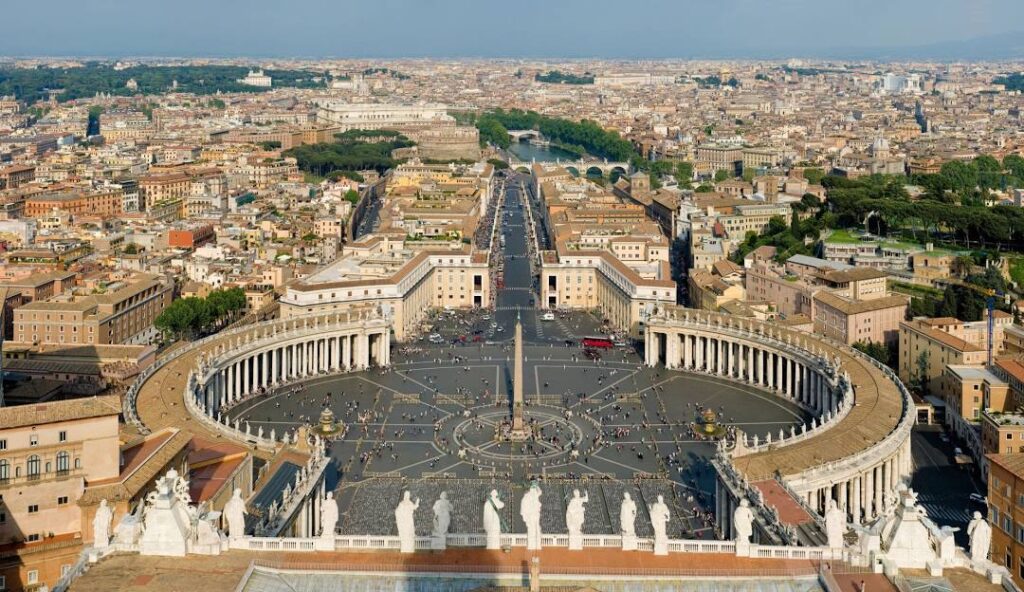
Vatican Reaction
Austen Ivereigh, a biographer of Pope Francis, suggested Bannon may have misjudged both the book and the pontiff.
Rev. Antonio Spadaro, a close collaborator of Francis, said the messages revealed an attempt to fuse “spiritual authority with political power for strategic ends.”
“What those messages reveal is not merely hostility toward a pontiff, but a deeper attempt to instrumentalize faith as a weapon,” Spadaro said.
The “Gladiator School” and Italian Links
Rome was central to Bannon’s European ambitions. After leaving the first Trump administration, he worked to build support for nationalist-populist parties across Europe and was linked to efforts to establish a political training academy at the historic Certosa di Trisulti monastery in Italy.
The project, backed by the Dignitatis Humanae Institute founded by Benjamin Harnwell, faced legal disputes with Italy’s culture ministry over the monastery lease. Epstein, according to Harnwell, had no involvement in the Trisulti initiative.
Wider Context
The period between 2018 and 2019 saw intense internal Catholic Church tensions, including allegations raised by Archbishop Carlo Maria Viganò regarding the handling of abuse cases. A subsequent Vatican inquiry cleared Pope Francis of wrongdoing in those matters.
The newly released messages show that Bannon continued communicating with Epstein years after Epstein’s 2008 conviction and shortly before his 2019 arrest on federal sex trafficking charges.
Epstein died in custody in August 2019 while awaiting trial.
CNN reported that it had contacted representatives for Bannon for comment. Former President Donald Trump has consistently denied wrongdoing related to Epstein or any allegations of sexual misconduct.