

Two years after the death of Russian opposition leader Alexei Navalny, the United Kingdom and several European allies have formally accused the Russian state of killing him using a rare toxin derived from a South American dart frog.
The announcement was made at the Munich Security Conference by UK Foreign Secretary Yvette Cooper, who stated that “only the Russian government had the means, motive and opportunity” to deploy the poison while Navalny was imprisoned in a Siberian penal colony.
A joint statement was issued by the UK, Sweden, France, Germany and the Netherlands holding Moscow responsible for Navalny’s death.
Rare Toxin Identified: Epibatidine
Authorities say laboratory analysis of biological material found traces of epibatidine, an extremely rare neurotoxin.
Epibatidine is:
- Naturally found in certain wild poison dart frogs in northern South America
- Approximately 200 times more potent than morphine
- Not naturally occurring in Russia
- Absent in frogs raised in captivity
Toxicology experts say the substance attacks receptors in the central nervous system and can cause:
- Muscle twitching and paralysis
- Seizures
- Respiratory failure
- Cardiac arrest
Experts described it as an “incredibly rare way to poison a person,” noting the difficulty of obtaining the toxin in nature.
The UK has informed the Organisation for the Prohibition of Chemical Weapons over what it describes as a breach of the Chemical Weapons Convention.
Kremlin Rejects Allegations
Russia has dismissed the claims. According to state news agency Tass, Kremlin spokesperson Maria Zakharova described the accusation as “an information campaign.”
President Vladimir Putin has previously avoided directly naming Navalny, referring only to his passing as “a sad event.”
Navalny’s Death and Previous Poisoning
Navalny, 47, died on 16 February 2024 while serving a prison sentence in an Arctic penal colony. Russian authorities said he collapsed after feeling unwell during a walk.
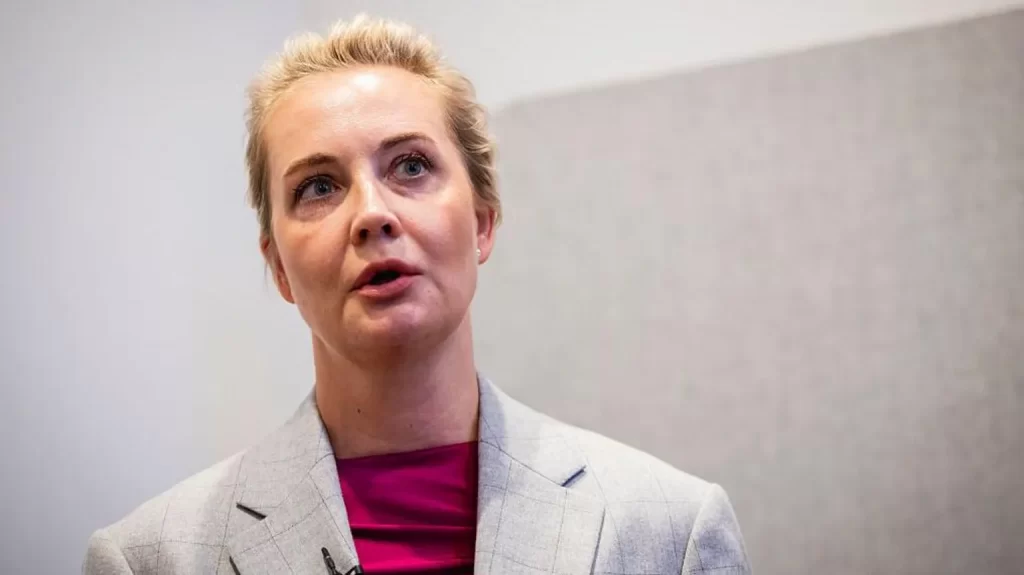
His widow, Yulia Navalnaya, has consistently maintained that he was poisoned. Reacting to the latest findings, she said she had been certain “from the first day” that her husband was murdered and thanked European states for uncovering what she called proof.
Navalny had previously survived a poisoning in 2020 involving a Novichok nerve agent. He received treatment in Germany before returning to Russia, where he was arrested upon arrival.
International Reaction
UK Prime Minister Sir Keir Starmer praised Navalny’s “huge courage,” saying his legacy endures in the fight for democratic values.
French Foreign Minister Jean-Noël Barrot also paid tribute, describing Navalny as a figure who fought for “a free and democratic Russia.”
The case is likely to intensify diplomatic tensions between Moscow and Western governments, already strained by sanctions and ongoing geopolitical conflict.