

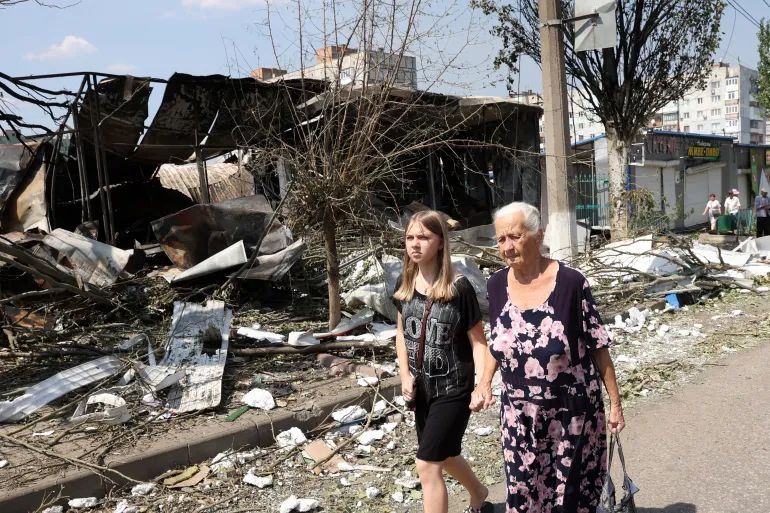
More civilians were killed in Ukraine last year than in any year since Russia launched its full-scale invasion in 2022, according to monitors from the United Nations.
Civilian casualties surge
UN data shows that over 2,500 civilians were killed and more than 12,000 injured in 2025 —
a 31% rise from 2024 and a 70% increase compared to 2023.
Bernadette Castel-Hollingsworth, who oversees operations for the UNHCR in Ukraine, said the scale of Russian bombardments has intensified sharply:
“There were more civilians killed and injured in 2025 than in the previous three years.”
She noted that Ukraine had only four days in the entire year without a Russian aerial attack.
Critical infrastructure repeatedly hit
Russian strikes continue to hit:
- schools
- kindergartens
- hospitals
- residential buildings
Recent waves of attacks have left thousands without heating and electricity during winter.
UNHCR operates with 320 staff across Kyiv, Dnipro, Kharkiv, Lviv and Odesa.
Growing displacement
Government figures show 150,000 newly displaced people in 2025 — a number that excludes many fleeing frontline areas without registration.
Around 40% of those displaced were elderly or people with disabilities, continuing a trend seen since 2022.
Despite global “war fatigue,” UN workers say needs remain immense.
In 2025 alone, UNHCR assisted 1.2 million people, even as the agency faces budget cuts.
EU humanitarian support
The European Commission says it has provided:
- €1.3 billion in humanitarian aid to Ukraine since 2022
- €145 million additional funding in progress
- €100 million mobilised for urgent repairs in heavily hit regions
Fewer refugees returning home
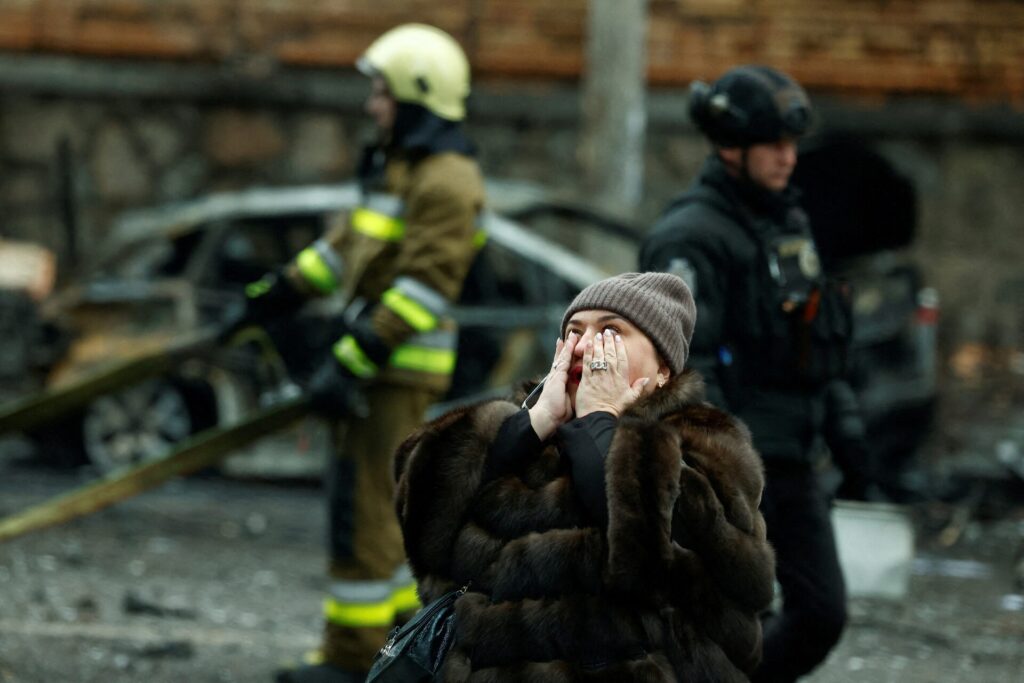
An estimated 1.4 million Ukrainian refugees have returned home since 2022 — but most returns happened in 2022 and early 2023.
Return rates have sharply declined; many Ukrainians now visit briefly to check on family or property before leaving again.
Despite this, intent to return remains high among refugees.
Uncertain future beyond 2027
Ukrainians in the EU remain under the Temporary Protection Directive, valid until March 2027.
Beyond that, their future status is unclear.
EU states are exploring:
- pathways to residence
- voluntary return options
- work-based residency (as used by Germany)
But not all displaced Ukrainians can secure employment, raising concerns about long-term protection.
Castel-Hollingsworth urged EU members to coordinate before the deadline:
“For as long as the war is not ending, it will be important for countries to continue protecting Ukrainian refugees.”