

Washington, D.C. – February 2026
U.S. President Donald Trump has revoked a landmark 2009 federal ruling that classified greenhouse gases as a threat to public health — a decision that has served as the legal foundation for nearly all U.S. climate regulations over the past 17 years.
The move reverses the so-called “endangerment finding” issued during the administration of former President Barack Obama. That ruling empowered the Environmental Protection Agency (EPA) to regulate carbon dioxide, methane, and other planet-warming gases under the Clean Air Act.
The White House described the decision as the “largest deregulation in American history,” arguing it will reduce costs for automakers by roughly $2,400 per vehicle and lower energy and transportation expenses nationwide.
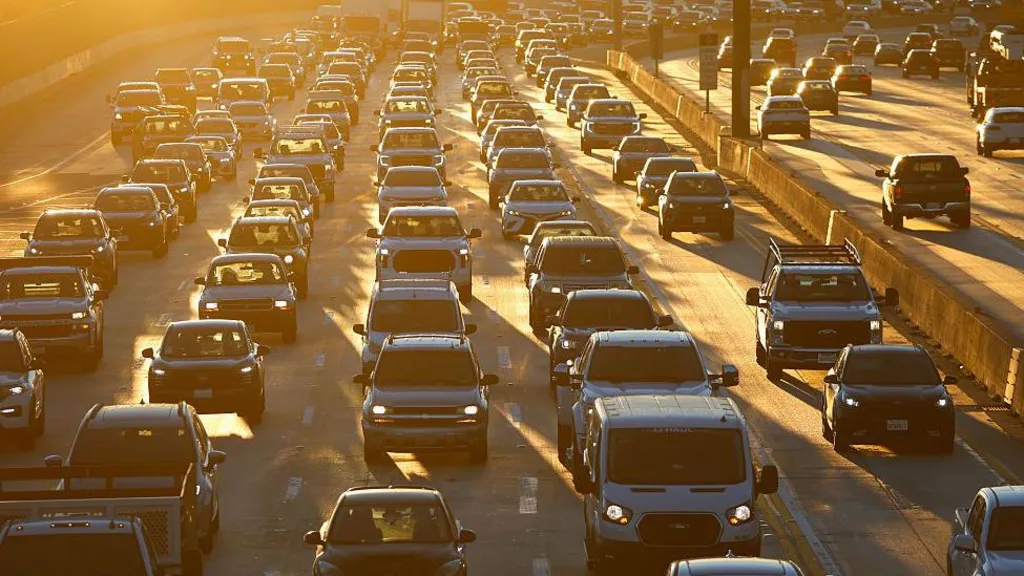
A Foundation of U.S. Climate Policy
The EPA’s 2009 finding concluded that six key greenhouse gases posed a danger to human health and welfare. With Congress divided and unable to pass comprehensive climate legislation, the ruling became the backbone of federal emissions controls — covering:
- Motor vehicles
- Power plants
- Oil and gas operations
- Methane from landfills
- Aircraft emissions
Legal experts have long described the finding as the lynchpin of U.S. climate regulation.
“The endangerment finding has really served as the foundation of U.S. greenhouse gas regulation,” said Meghan Greenfield, a former EPA and Justice Department attorney.
Trump: “A Disastrous Obama-Era Policy”
Speaking in the Oval Office, President Trump called the 2009 decision “a disastrous Obama-era policy that severely damaged the American auto industry and massively drove up prices for American consumers.”
He also criticized Democratic climate initiatives, referring to them as a “Green New Scam.”
In response, Obama warned that repealing the finding could endanger public health and weaken the nation’s ability to combat climate change.
“Without it, we’ll be less safe, less healthy and less able to fight climate change — all so the fossil fuel industry can make even more money,” he said in a statement posted on social media.

Economic Claims vs. Environmental Warnings
Trump administration officials argue that overturning the regulation could save more than $1 trillion and ease financial burdens on manufacturers.
White House Press Secretary Karoline Leavitt said reversing the rule would significantly reduce production costs for U.S. automakers.
However, environmental groups strongly dispute those figures.
Peter Zalzal of the Environmental Defense Fund warned that weakening vehicle efficiency standards could increase fuel costs for Americans by an estimated $1.4 trillion and result in serious public health consequences, including tens of thousands of premature deaths and millions of additional asthma attacks.
Climate experts also caution that producing less fuel-efficient vehicles may hurt U.S. automakers in overseas markets, where stricter environmental standards remain in place.
Legal Battles Ahead
Environmental organizations and several states are expected to challenge the rollback in court. Observers say the administration may ultimately aim to bring the issue before the U.S. Supreme Court, seeking a definitive ruling that could permanently limit the federal government’s authority to regulate greenhouse gases.
Legal analysts note that if the Court sides with the administration, future presidents could find it difficult to restore the EPA’s authority without new legislation from Congress.
“This is really different, as the EPA is exiting the space entirely and wants to do it on a permanent basis,” Greenfield said.
Science Under Scrutiny
The reversal follows a controversial Department of Energy report questioning the extent of human influence on global warming. Critics argue the panel behind the report was dominated by climate skeptics and that its conclusions contradict mainstream scientific consensus.
A federal judge recently ruled that the department had violated legal procedures in forming the advisory team responsible for the report, adding another layer of complexity to the unfolding legal fight.
As the United States reassesses its climate policy, the decision marks one of the most consequential environmental rollbacks in modern American history — with implications not only for domestic regulation but for global climate leadership.