

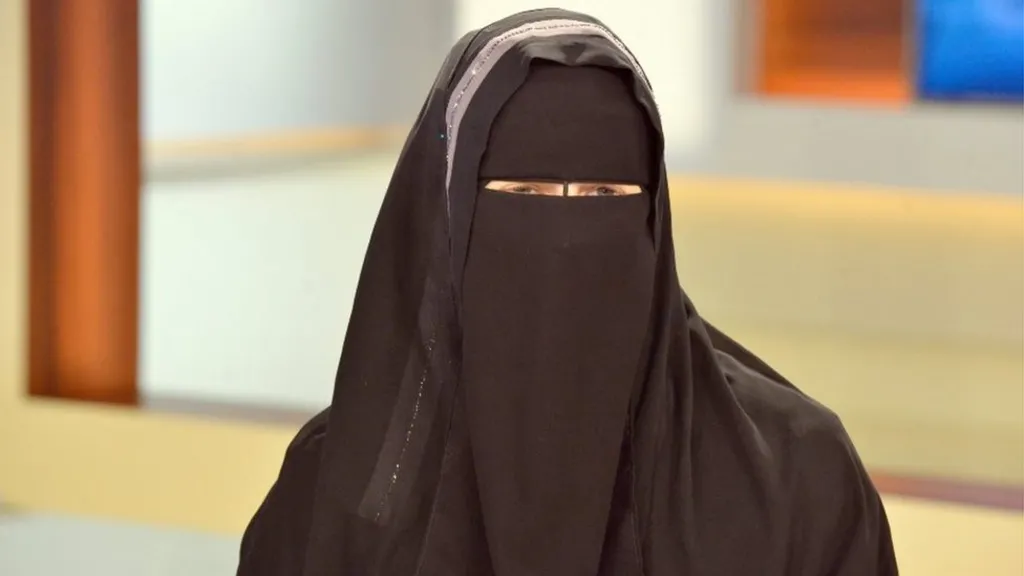
In a move hailed by some as a safeguard for gender equality, Austria’s conservative-led coalition has passed legislation banning headscarves for girls under 14 in schools, targeting what officials describe as “traditional Muslim” coverings like hijabs.
The law, approved by the ÖVP-SPÖ-Neos government, applies to both public and private institutions starting September 2026, following a trial awareness period in February. Violations trigger discussions with guardians, escalating to fines up to €800 for repeated offenses. Proponents estimate it impacts around 12,000 children.
Neos leader Yannick Shetty defended the measure: “It is a step to protect the freedom of girls in this country,” emphasizing it’s not anti-religion but anti-oppression.
Yet, critics decried it as discriminatory. Greens MP Sigrid Maurer labeled it “clearly unconstitutional,” echoing a 2020 Constitutional Court ruling that struck down a similar ban for under-10s as Islamophobic. The Islamic Community in Austria (IGGÖ) vowed a legal challenge, warning it stigmatizes Muslim youth and erodes societal cohesion.
Far-right FPÖ, despite supporting the bill, demanded broader restrictions for all pupils and staff, with spokesperson Ricarda Berger asserting, “Political Islam has no place here.”
As debates intensify, the ban risks reigniting tensions over religious freedoms in Europe’s multicultural landscape.