

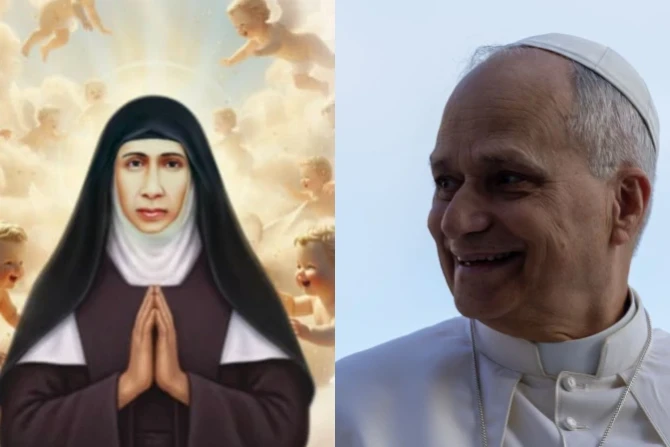
Pope Leo XIV addressed the beatification of Mother Eliswa Vakhail, a 19th-century religious and founder of the Third Order of the Teresian Discalced Carmelites, highlighting her courageous commitment to the emancipation of the poorest girls.
The Pope affirmed during his greetings that the witness of Mother Eliswa is a source of inspiration for all those who work in the Church and in society for the dignity of women.
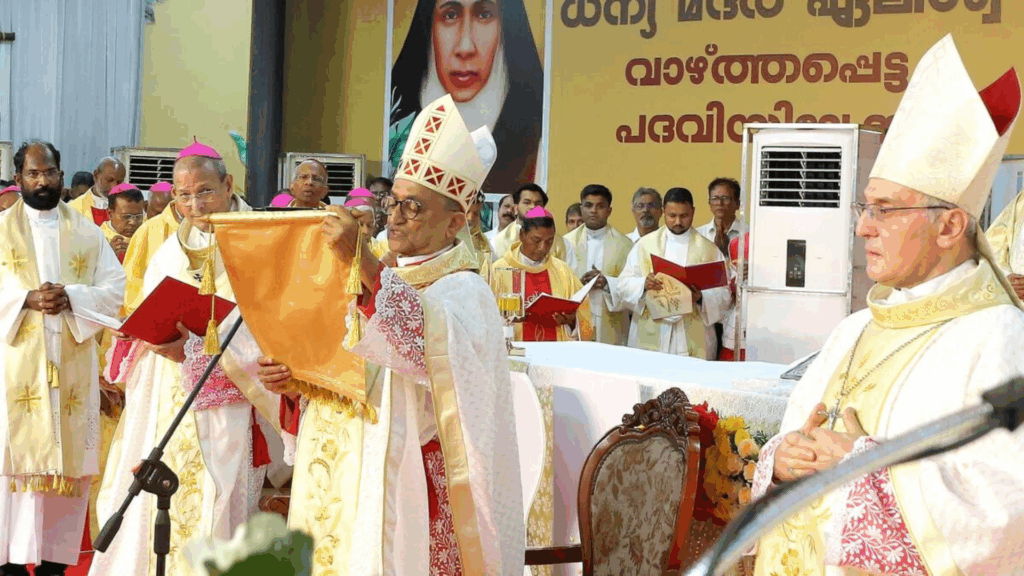
The beatification ceremony was held at the Basilica Shrine of Our Lady of Ransom in Vallarpadam, Kochi, in the Indian state of Kerala.
Before taking religious vows, Mother Eliswa was married and had a daughter. Her profound vocation was initiated by the experience of widowhood, which gave her a special sensitivity to the needs of women in a sharply divided 19th-century society.
Recognizing the dignity of every person, she founded an orphanage and a primary school in the mid-19th century to provide education and support for the poorest young women. She championed integral formation, viewing education as the essential key to their social recognition and active participation in both civil and ecclesial life.
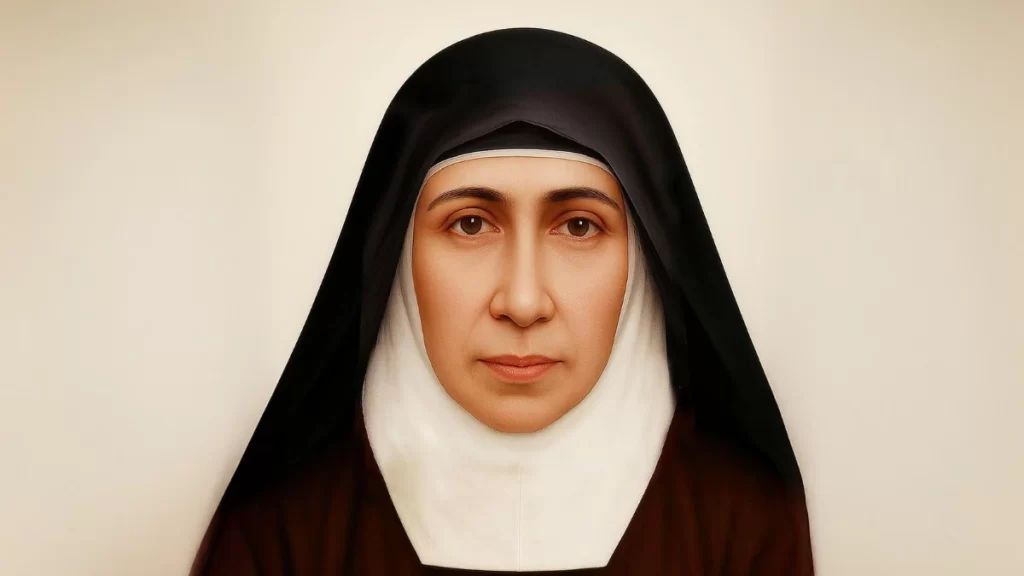
Opening the doors to religious life for women across both the Latin and Syro-Malabar rites, Mother Eliswa charted a groundbreaking course in Kerala. Her vision, rooted in the Carmelite and Teresian tradition, established an order that harmoniously blended contemplation, service, prayer, and education.
During the homily at the beatification, Cardinal Sebastian Francis, Bishop of Penang, Malaysia, emphasized the inclusive vision of Mother Eliswa, noting that she was ahead of her time and is a true expression of synodality in action: walking together in communion.The foundation of her “unwavering faith,” he affirmed, “lies in her spirituality, vision, and mission, all rooted in her identity as a faithful disciple of Jesus Christ through baptism, the very heart of synodality.”