

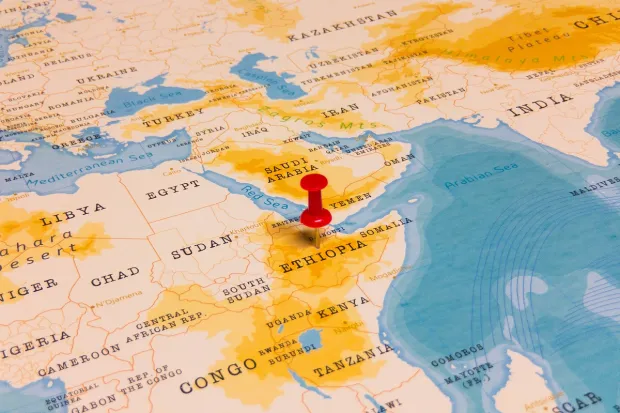
A new report produced by Aid to the Church in Need, nearly two out of three people live in a country where religious minorities are persecuted or discriminate.
The 2025 Religious Freedom Report released on Tuesday, October 21 covers the period from January 1, 2023 to December 31, 2024, and examines the religious freedom in 196 countries.
The report found that nearly 5.4 billion, approximately 65% of global population live in the 62 countries where there are serious religious freedom violations either in the form of persecution or discrimination.
The report labeled 24 countries under the worst category – persecution. A total of 4.1 billion people live in these countries and 18 of the 24 countries under this category.
The source of the persecution varies- either government or another group.
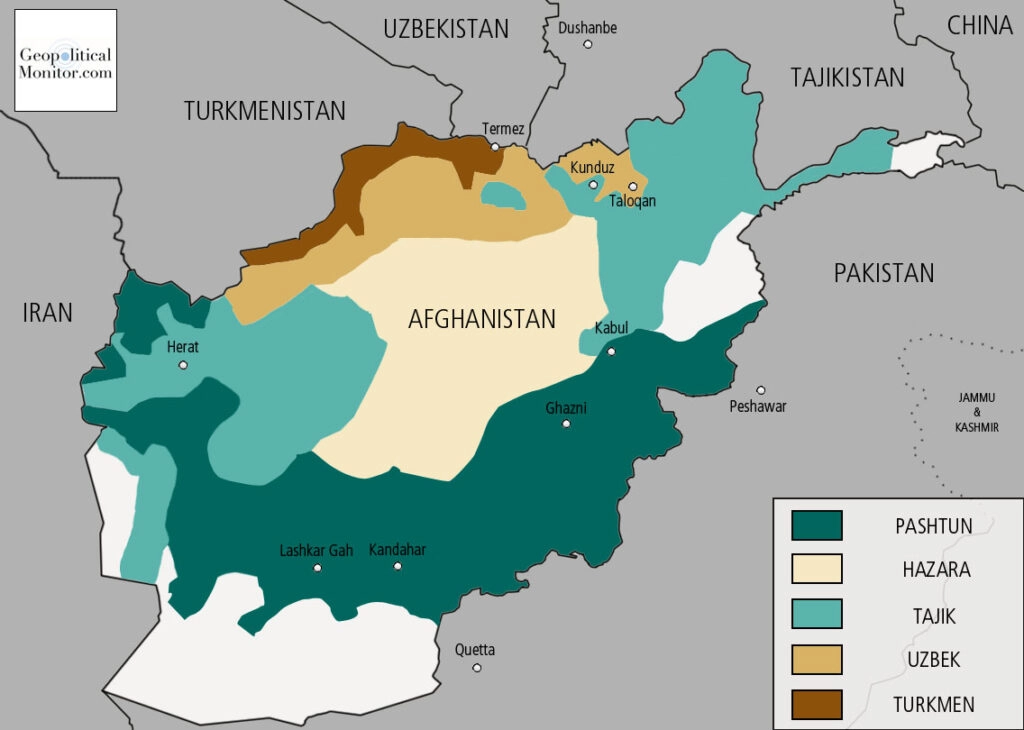
According to the report, the nature of the persecution varies across different contexts. In Afghanistan, Bangladesh, Libya, Maldives, Nigeria, Pakistan, Sudan and Yemen — it results from a combination of authoritarian governance and religious extremism.
However, in China, Eritrea, Iran, Nicaragua, North Korea, Saudi Arabia and Turkmenistan, the primary persecutor is “authoritarian state control.
Another seven countries — Burkina Faso, Cameroon, Mali, Niger, Somalia, Mozambique, and the Democratic Republic of the Congo — are affected mainly by religious extremism.
In India and Myanmar, the driving forces of religious persecution are “a combination of authoritarianism and etho-religious nationalism
During the time period of the report, only Srilanka and Kazakhstan showed improvement.
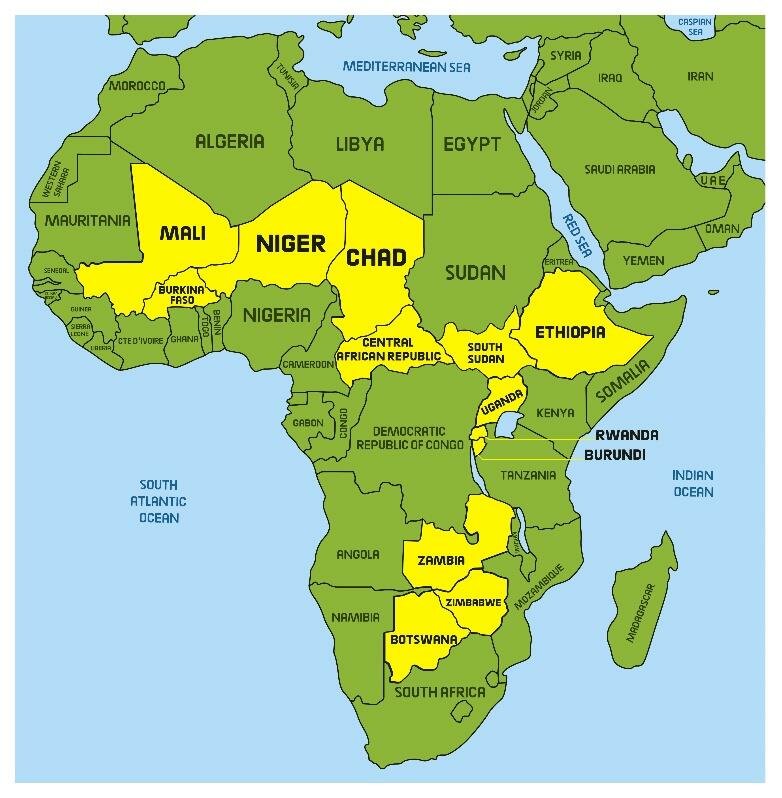
An additional 38 countries received the “discrimination” designation, among them Egypt, Ethiopia, Mexico, Turkey, and Vietnam.
This year, Mexico, Russia, and Ukraine were added to the “discrimination” category following a rise in violations of religious freedom.
According to the report, religious minorities in these nations “encounter legal, political, or social barriers that restrict their freedom of belief and worship.”
Although they do not experience outright persecution, many people face systematic discrimination, including limited access to places of worship, restrictions on religious expression, and unequal treatment under the law.
In countries with persecution, the root cause of discrimination varies. In 24 of the 38 countries, the report identifies “authoritarianism” as the primary drive of religious discrimination.
The report noted that, in Chad, discrimination is fueled by religious extremism, while in Haiti and Mexico it is linked to organized crime. In Nepal, ethno-religious nationalism is the main contributing factor.
The remaining 10 countries experience discrimination due to a “combination of factors.”
According to the report, “In Egypt, Jordan, Iraq, Kuwait, Oman, Syria, and Thailand, religious discrimination arises from a blend of authoritarian rule and religious extremism. In Israel and Palestine, the intersection of ethno-religious nationalism and extremism undermines religious freedom, while in Sri Lanka, both authoritarianism and ethno-religious nationalism drive discrimination.”
Around 24 countries including Belarus, Chile, Indonesia and Kenya are listed under observation. While these countries are not yet facing severe persecution or discrimination, the report warns of early signs of concern — including increasing authoritarianism, eroding legal protections, and a rise in religious intolerance.